There are a lot of different applications and approaches in creating a permaculture garden. In its most basic form, it is just creating a sustainable system; one that allows vegetable plants, perennials, and annuals to rely on natural processes to promote growth. Moreover, you are planting strategically so the plants and ecosystems create natural solutions to become more self-sufficient. With these simple steps, you can learn how to set up your own permaculture garden.
Understand Your Garden
To plan a permaculture garden, you need to take note of several factors in your yard. Because one of the aims of the garden is to build up soil quality, you should assess the soil to understand the nitrogen levels. Remember that every aspect of your lawn is its own specific space; it has a specific soil, different slopes, receives varying degrees of sunlight, and may have trees or fixtures already established. Assess all these aspects, or microclimates, to plan your garden. For example, an area with soil high in nitrogen may benefit from nitrogen-loving plants. Additionally, an area with a tree is perfect for plants that thrive in the shade and may be best appropriate for are a vining variety.
Select Plants Appropriate for Your Zone
Use the USDA Plant Hardiness Zone Map to review your area and understand what zone you are in. Once you have discovered your zone, research the annual and perennial plants that do well in your area. Research the seasons in your zone to understanding when to start seeds for the growing season and when to use ground cover methods to keep your soil fresh during the offseason. Furthermore, you should research best practices such as companion planting and integrated pest management to attract beneficial insects to deter pests.
Design Your Permaculture Garden
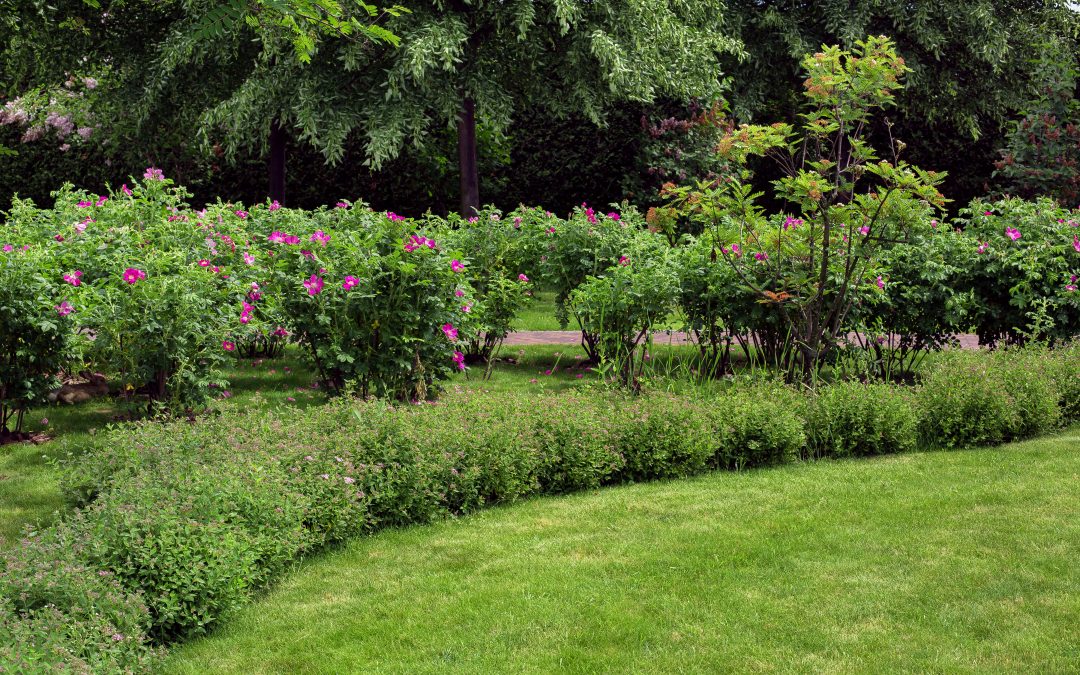
Now that you have considered the elements you researched to understand your garden and hardiness zone, you can plan your garden and its specific areas. Consider the microclimates and design accordingly. For example, an area on a slope with runoff with low levels of lights may benefit from water-loving perennials or shrubs. You can then plant your vegetable garden in that area accordingly and use companion plants that also do well in water such as echinacea, milkweed, or asters. Additionally, think about the space in layers and consider using raised beds if there is a lot of water runoff or if you need to enrich your soil from the ground up.

Enrich the Soil
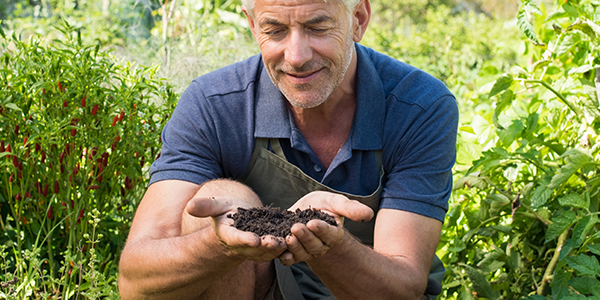
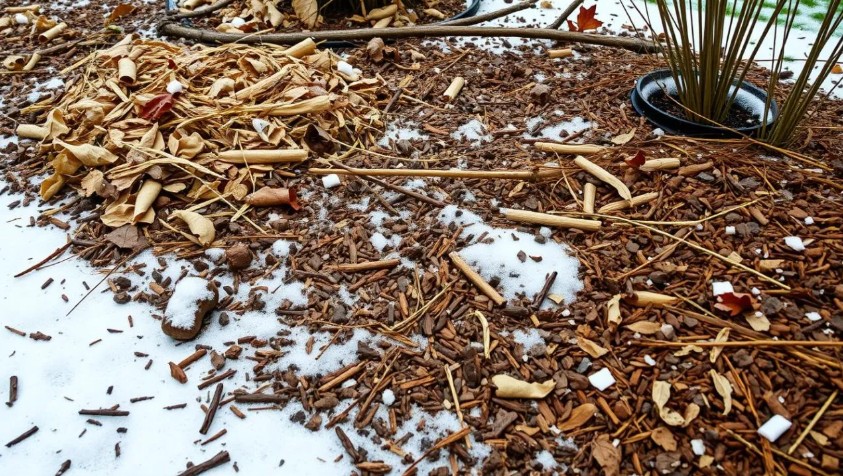
You can enrich your soil in many ways, such as adding slow-release organic fertilizer or compost. You can also use natural materials to add nitrogen or utilize plants that absorb or add nitrogen to your soil. For example, many farmers use ground covers such as buckwheat after the growing seasons to keep the soil fresh. After the buckwheat’s lifecycle ends, it naturally deposits nitrogen back into the soil. Another method is lasagna gardening by building beds or island gardens with layers of mulch, cardboard, leaves, straw, and compost. This method reduces weeds while also building richer soil. Regardless of what method you choose, adding wood chip mulch or straw around your plants should be done annually.
Plan Your Irrigation System
If you planned your garden correctly, some areas will be already be taking advantage of the natural water runoff in your garden. Most individuals that apply permaculture principles to their gardens also use low-waste drip irrigation systems and rainwater collecting cisterns. These methods can be a hefty first-time investment so slowly building your irrigation may be your best bet.
To start, you can use mild hose settings and water appropriately. Try watering close to the soil to avoid encouraging dampness-related diseases such as powdery mildew. Although it is time-consuming and not as self-sufficient as an irrigation system, using a hose is a cheaper alternative in order to get your garden started. Eventually, you can take steps towards a more self-sufficient garden by investing or creating a rainwater collection system and slowly creating methods of irrigation. Be sure to check your county and local laws in regards to rainwater or gray water use and collection.
Get Started with Kurtz Bros.,
Now that you have established a primer for your permaculture garden, harvest your bounty and make changes as you continue to monitor your area. A permaculture garden is a healthy evolving garden and sometimes you need to make changes to your design. Fortunately, Kurtz Bros., has all the landscape materials you need to start or refresh your garden. We can assist you in choosing the best soil and mulch to best suit your garden and microclimates. Contact us to learn more!