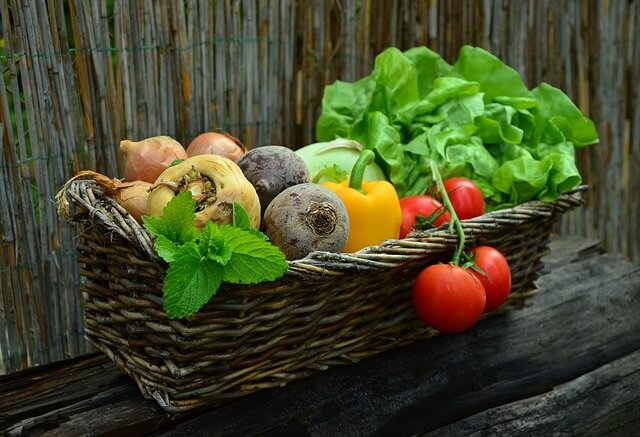
Not everyone has the luxury— or the added responsibility— of a large outdoor space. Maybe a big front yard and expansive backyard aren’t really your thing, and you’re happy not to have the extra lawn care on your hands. Or perhaps you live in an urban setting where the yards are necessarily smaller in size.
Don’t let the diminutive size of your yard limit you! If you want a garden, you can still have one— you might just have to get more creative. Discover a few ways of managing a garden in a small yard.
Use the Height
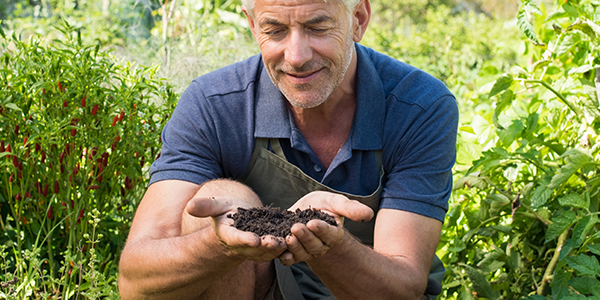
If your garden can’t spread out horizontally, plant it vertically! There are plenty of online DIYs for vertical planters made from repurposed pallets. Hanging pots, terraced shelves, wall-mounted gutters, and vertical succulent trays are just a few of the options. A little compost will help your vertical garden become even more luxurious.
Include the Front Yard
If you have a tiny front yard as well as a back yard, use both spaces! The front yard can feature a variety of gorgeous greenery and flowers that bloom all season, while the back yard can support your vegetables and herbs.
Make Hedges, Not Fences
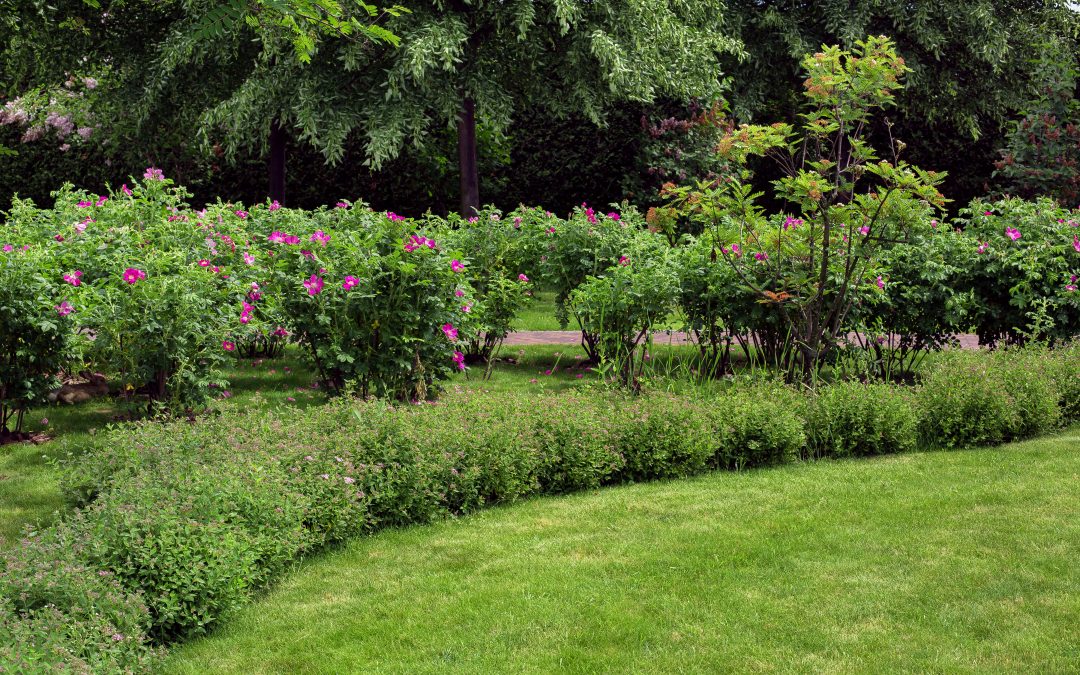
When you’re defining spaces in or around a small yard, use hedges instead of fences. Dwarf burning bush, boxwood, cherry laurel, lavender, hebes, and daisy bush give definition and beauty to the space without over-shading the garden or making it appear smaller. Remember to fertilize these plants as needed to keep them healthy.
Mix and Match
If you have just one space to work with, instead of both front and back yards, try intermingling your vegetables and flowers. Some types of flowers, like chrysanthemums and four o’clocks, actually repel insects, so you can plant them right next to your vegetables to create a garden that is both ornamental and useful.
Herbs like dill, chives, fennel, and lemon balm are also pest-repellent, tasty, and pretty to look at. Instead of inedible greenery, plant beautiful looseleaf lettuces and greens such as rainbow Swiss chard, basil, asparagus, thyme, and spinach.
Vary the Heights
Place the tallest plants around the edges of your yard or in the center of your beds. In front of those, plant medium-sized bushes, veggies, or florals. Right at the edges of the beds, you can have your smaller plants, the ones that are low-growing and provide plenty of ground cover. Add one or two additional points of interest with plants in large urns or pots. The variety of heights and plant types will keep the eye moving, instead of allowing it to focus on the smallness of the space.
Organize Neatly
Some gardeners prefer a neat look and consistent yield, rather than intermingling different plants in a single bed. To accomplish something more organized, construct a grid of raised beds or containers that give you a square foot for each type of plant you want to include. Fill them with rich soil.
You can have a few tomato plants in some of the sections, and in others you can plant radishes, lettuce, carrots, or herbs. Use tiny signs to label each square foot section. This way, you can enjoy some variety in your garden even if you don’t have great quantity.
For more ideas and tools to improve your small garden, contact Kurtz Bros., Our team is happy to help you make the most of your tiny side yard, limited back yard, or small front yard.