If you’re really eager to boost your home’s curb appeal by adding new trees, you might find it difficult to wait until spring or summer. Perhaps you have found a good deal or discount on the types of trees you want to plant, and you’d like to go ahead and get them in the ground despite the time of the year. So, can you plant trees in winter? Well, it depends on a number of factors. Here are a few guiding rules for planting trees in the off season.
Check Soil Temperatures
First, check the temperature of the soil. If the ground has frozen solid, you won’t be able to plant the trees. Not only will the soil be too difficult to dig through, but it will also be too hard for the tree’s roots to penetrate, and the tree will likely die.
For a few days in a row, check the temperature of your soil using a thermometer. Be sure you insert it a few inches into the soil. If the soil temperature is around 50 degrees or so on each morning that you test, you’re probably fine to go ahead and install the new tree, as long as it is a deciduous tree. Deciduous trees lose their leaves and go dormant during the winter anyway, so they can assimilate under slightly colder conditions than evergreens.
However, if you try to install a brand-new evergreen tree in soil that’s consistently under 60 degrees Fahrenheit, it may die. Evergreens need time to acclimate and absorb nutrients, since they keep their needles all year, and if the ground is too cold, they won’t be able to do that effectively.
Water Thoroughly, But Avoid Fertilizer
If you do go ahead and plant your tree, make sure you provide it with adequate water. During the winter, trees and other plants sometimes suffer from cold desiccation. This occurs when they don’t have enough accessible moisture and they dry out.
However, you should not add fertilizer or soil amendment compounds to the ground during the winter, because those elements will stimulate the tree’s growth. Since conditions for growth are not optimal during the winter, the tree could become overstressed. Simply watering it is enough to keep it sustained until spring. If you want, you can add a bit of compost at the roots to facilitate the acclimation of the root ball to the soil, but that’s as far as the fertilization should go until spring rolls around.
Layer the Tree with Mulch
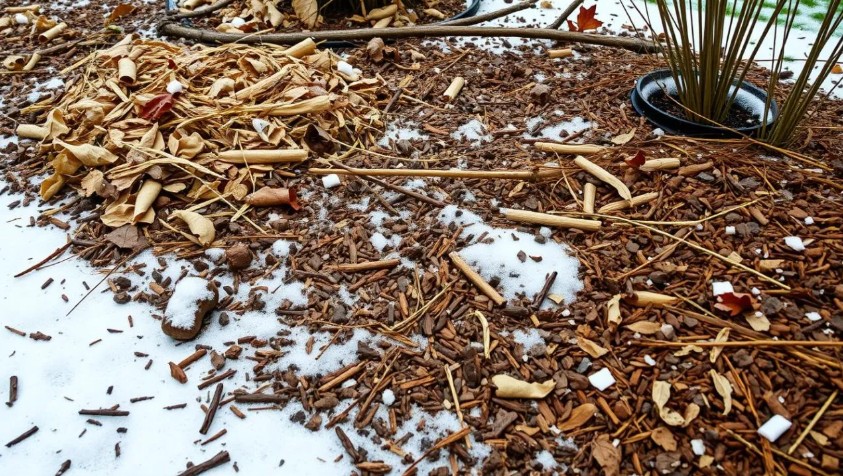
Mulch is a must if you’re planting a tree during the colder months of the year. A few inches of mulch will help the soil retain water and warmth, which will help the tree’s roots sink in and adapt to their new home. Mulch can defend trees against cold, pests, and dryness issues. If the tree is very young and you experience a lot of wind in the area where it is planted, be sure to stake the tree as well for extra protection.
If you need supplies to make the transition easier for your new trees, visit the Kurtz Bros website for all those items, including spades, soil, mulch, rakes, and more. You can also contact us with your questions about trees and other elements of your landscape.