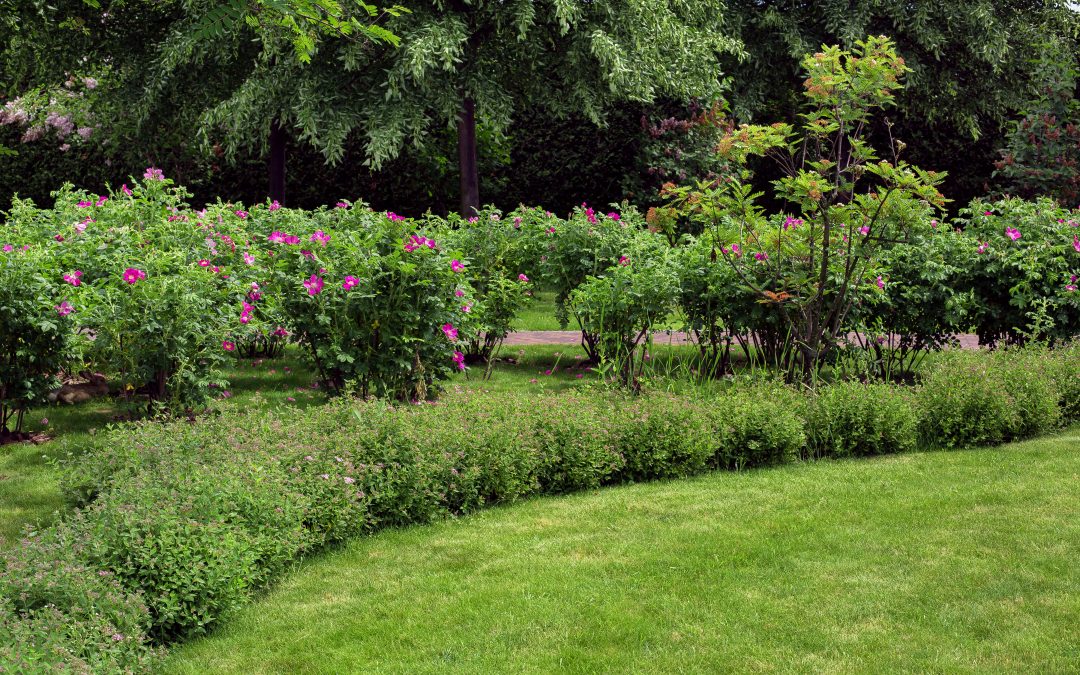

Do you live in an area where the summer heat is intense? You can find refuge in an air-conditioned building, but what about your lawn? Your grass has to sit out there under the blazing sun, baking in the heat. Find out how to prepare your lawn so that it stays fresh and green throughout the summer months.
Sow the Seed Early
If you notice bare patches in your lawn, add some seed during the spring months. Don’t wait until summer, when the heat and potential drought have put your yard under stress. With early reseeding, your lawn will have time to fill in those bare spots before summer hits.
Keep the Grass Longer
Whether you’re cutting the grass yourself or hiring someone to do it, resist the urge to keep it clipped close to the earth. The right length depends on which type of grass you have in your yard, so you’ll need to do some research to determine the optimum number of inches of blade length.
Once you figure out the length, keep the grass at that level. Leaving the grass with longer blades means that it can sustain itself more effectively and generate adequate energy to survive. Plus, longer grass shades the soil and keeps it from getting too hot and dried out.
Limit the Watering Sessions
During heat waves, you’ll be tempted to really soak your grass with shower after shower from the hose or sprinkler. However, your grass won’t be helped by overwatering. Turf grass does better when it is a little dry, rather than extra moist. Too much moisture actually improves the conditions for disease to develop.
To keep your grass healthy, water it heavily one time, soaking the root zone; and then leave it alone until it is completely and thoroughly dry, which may take several days. Once the grass starts to look dry, do the same thing again. The average lawn only needs about an inch of water per week in order to stay healthy— and that includes any rainfall that may occur.
Don’t Mow During a Drought
Mowing dry grass during a drought can stress your lawn and cause severe damage. Mow it only after a rain shower, or mow it the day after a thorough watering session.
Fertilize Before the Heat Spell
Don’t fertilize your grass during the summer. The fertilizer stimulates growth, but if your grass is already stressed with the heat, the growth stimulus will only stress it further. Fertilize grass ahead of time, during the spring, or during the fall, when the weather is cooler.
Contact Kurtz Bros., for information about fertilizer, herbicides, and weed control options for your lawn this summer. We also provide grass seed, pest control supplies, and lawn repair services to keep your grass looking healthy and green year-round.