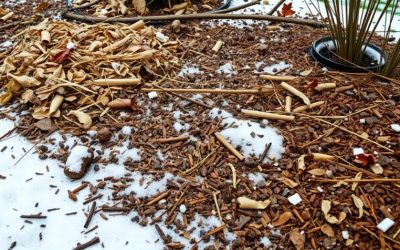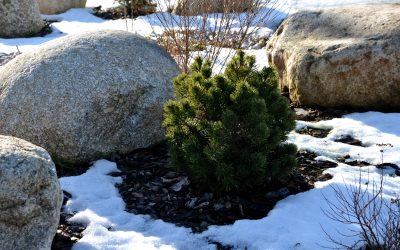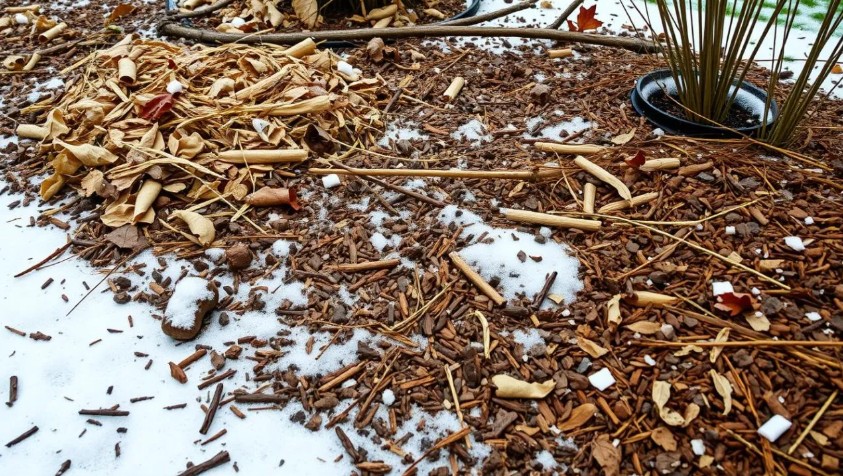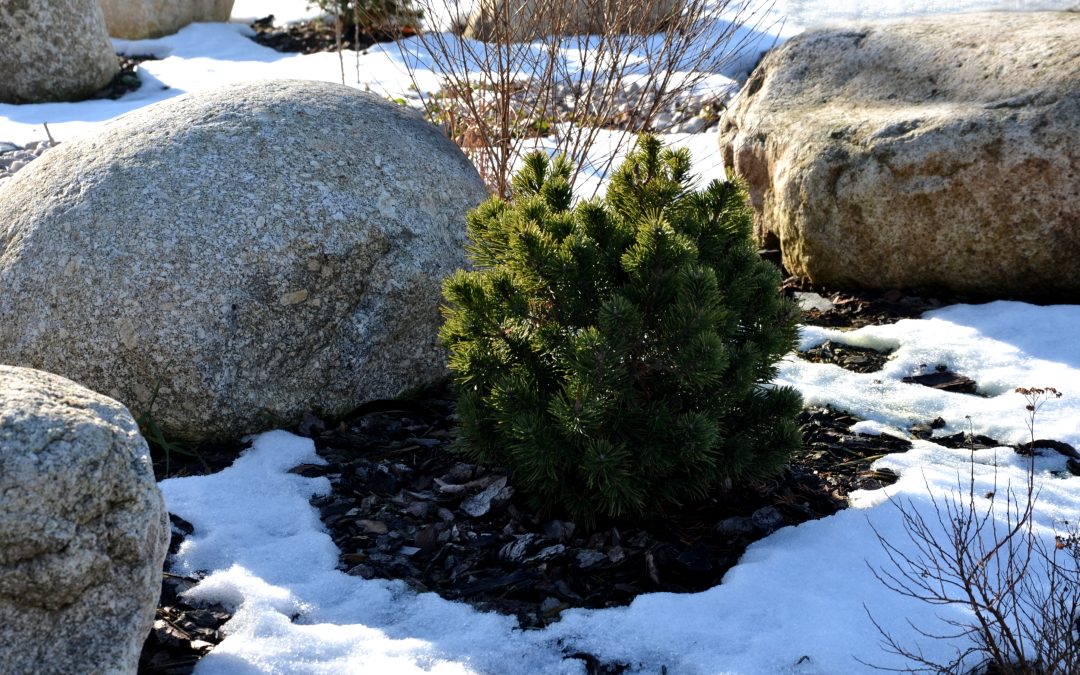

Ever wonder why your neighbor’s garden always looks lush and healthy, even after a harsh winter? The secret might be simpler than you think. Fresh mulch, a gardener’s best friend, could be the key to protecting your garden through fall and winter. At Kurtz Bros. Landscape Supply, we’ve seen firsthand how this simple gardening technique can transform landscapes across Ohio.
Mulch acts as a protective blanket for your soil, shielding it from the harsh elements winter brings. It’s not just about aesthetics; mulch plays a critical role in soil health, moisture retention, and weed prevention. By applying mulch in the fall, you’re setting the stage for a thriving garden come spring.
Our 70 years of experience in landscaping has taught us that proper soil amendments are the foundation of any successful garden. Organic matter in mulch gradually breaks down, enriching your soil and promoting healthier plant growth. This natural process continues even when your garden appears dormant, ensuring your plants have a nutrient-rich environment to return to in spring.
Gardening enthusiasts know that fall is a critical time for garden prep. By mulching now, you’re not just tidying up your landscape; you’re actively protecting your plants and soil from winter’s wrath. It’s a simple step that yields significant benefits, from moisture conservation to temperature regulation.
Key Takeaways
- Mulch protects soil from harsh winter conditions
- Fall mulching reduces spring weed growth
- Organic mulch improves soil structure and nutrient content
- Proper mulching helps retain soil moisture
- Different plants have varying mulching needs
- Mulch application timing is critical for optimal benefits
Understanding the Importance of Fall Mulching
Fall mulching is key to getting our gardens ready for winter. It keeps plants and soil healthy during the cold months. Let’s see why it’s so important and how it helps our gardens.
Protecting Soil from Harsh Winter Conditions
Mulch in fall protects our soil. It keeps the ground safe from extreme temperatures, preventing frost damage and erosion. Wood chips and bark chips are great for this, lasting all winter.
Trapping Soil Moisture for Plant Health
Fall mulching keeps soil moist, vital for plants in dry winters. Organic mulch, like compost, holds water like a sponge. This keeps plants hydrated even when it’s frozen.
Reducing Spring Weed Growth
Mulching in fall helps us start spring gardening early. A thick layer of mulch stops weeds, making our gardens easier to care for. This saves us time and effort, letting us focus on other garden tasks.
Fall mulching is a simple yet powerful way to protect our gardens in winter. Using wood chips, bark chips, or other organic materials offers many benefits. It protects our soil, supports plant health, and prepares our garden for a great spring.
Mulch: Types and Application Techniques
Mulch is key in landscaping and keeping soil healthy. We’ll look at different organic mulches and how to use them. This will help you get the most out of this important soil helper.
Organic Mulch Options
Organic mulches are great for your garden. Leaf litter, straw, and wood chips are top picks. Leaf litter is free and full of nutrients. Straw helps control weeds. Wood chips last a long time and protect well.
- Bark mulch: Decomposes slowly, ideal for long-term use
- Grass clippings: Great for vegetable gardens, apply thinly
- Compost: Rich in nutrients, perfect for improving soil health
Proper Mulch Application
Timing is everything when you apply mulch. Wait until after several hard frosts. This lets plants get cold hardy. Spread 2-4 inches around trees, shrubs, and perennials.
This thickness keeps moisture in and weeds out. It also lets roots get enough oxygen.
Avoiding Common Mistakes
When using mulch, avoid these mistakes:
- Don’t pile mulch against stems or tree trunks
- Avoid applying too thick a layer
- Be cautious of mulch sources to prevent introducing weeds
Choosing the right organic mulch and applying it right boosts your garden. Mulch is a powerful tool for a healthy garden ecosystem.
Benefits of Winter Mulching for Different Plants
Winter mulching is a key gardening practice that offers unique benefits for various plant types. It protects and nurtures your garden through the cold months.
Protecting Shallow-Rooted Perennials
Shallow-rooted perennials are vulnerable to frost heaving. A 2-4 inch layer of mulch acts as a protective blanket, keeping soil temperatures stable. This ground cover shields delicate root systems from harsh winter conditions, ensuring your garden’s survival until spring.
Insulating Cold-Sensitive Plants and New Plantings
Cold-sensitive plants and new additions to your garden need extra care. Apply mulch after the first hard frost, when temperatures drop below 25°F. Leave a 1-2 inch gap around plant bases to prevent stem rot. This insulation helps maintain soil moisture and temperature, fostering healthy root development.
Supporting Broadleaf Evergreens and Fruit-Bearing Plants
Broadleaf evergreens and fruit-bearing plants benefit greatly from winter mulching. A 3-6 inch layer of coarse mulch like wood chips conserves soil moisture, preventing winter drying. For fruiting shrubs, mulch regulates soil temperature and protects crowns, promoting vigorous growth come spring.
Remember, some plants like salvia may be prone to root rot with excess moisture. Adjust your mulching strategy according to each plant’s needs. By tailoring your approach, you’ll create a thriving, resilient garden that’s ready to bloom when winter fades.
Conclusion
Fall mulching is a game-changer for gardening enthusiasts. It’s not just about tidying up our landscapes. It’s about preparing for a thriving spring garden.
Mulch acts as a protective blanket. It shields soil from harsh winter conditions. It also reduces temperature fluctuations by up to 15 degrees Fahrenheit.
The benefits of mulching go beyond looks. It boosts moisture retention by 25% to 50%. It also suppresses weed growth by up to 75%.
As organic matter breaks down, it enriches the soil. This increases microbial activity by 20% to 40%. It improves soil fertility and structure, key for successful gardening.
At Kurtz Bros. Landscape Supply, we help Ohio gardeners enhance their outdoor spaces. Whether you choose wood chips, straw, or compost, the right mulch can transform your garden. Fall mulching prepares your garden for winter and boosts its health come spring.