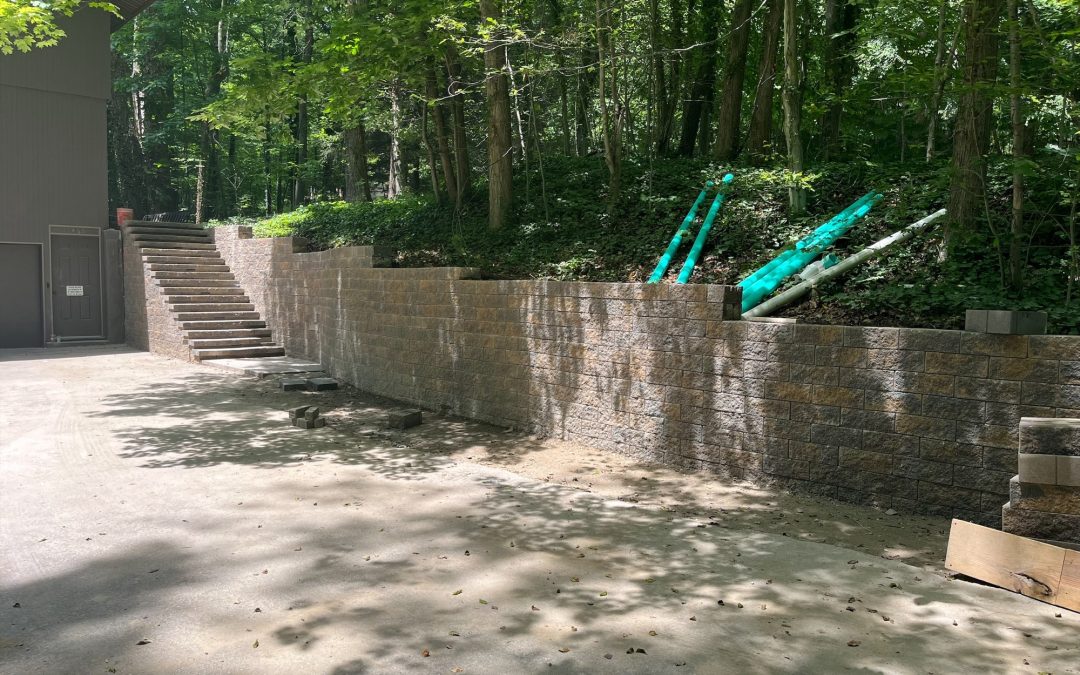

Are you thinking about adding a retaining wall to your garden? This feature not only looks great but also helps prevent soil erosion and creates different levels in your yard.
But with so many options, picking the right retaining wall can be tough. We’re here to help. We’ll guide you through the key factors to think about. This way, you can make a smart choice for your garden.
First, look at where you want to put the wall. Knowing about property lines and the weight above the wall is key for a stable installation.
Then, check the soil’s condition. It needs to be strong enough to hold the wall up. Make sure it’s compacted well.
Don’t forget about drainage. Without it, water can gather and put pressure on the wall, causing problems. Look at how well the soil lets water through and plan for drainage.
Design matters too. Things like slope, wall height, and how you reinforce the wall affect its strength. Think about these when planning your wall.
Lastly, learn about the different types of retaining walls. Each one has its own benefits and things to consider. Knowing about them will help you choose the best one for your garden.
Key Takeaways:
- Consider property lines and potential weight above the retaining wall.
- Evaluate the soil for a strong foundation and proper drainage.
- Take into account design elements such as slopes, heights, and reinforcements.
- Familiarize yourself with the different types of retaining walls available.
- Make an informed decision based on your garden’s specific needs and aesthetic preferences.
Types of Retaining wall Materials
Choosing the right materials for a retaining wall is key for its strength, looks, and lasting power. There are many types of materials to pick from, each with its own benefits.
1. Segmental Retaining Walls
Segmental retaining walls are popular for their flexibility and easy setup. They use modular concrete units that stack and lock together for a solid wall. These walls come in various sizes and styles, making them perfect for homes and businesses.
2. Natural Stone
Natural stone adds elegance and beauty to retaining walls. Stones like granite, limestone, and bluestone give a natural look that fits any landscape. These walls are strong and last a long time, but they can be pricey and need professional setup.
3. Concrete Blocks
Concrete blocks are a budget-friendly choice for retaining walls. They’re strong and can be shaped to fit any design. Available in different sizes and colors, they’re easy to make a good-looking wall. They also stand up well to weather and last a long time.
4. Wood
Wood retaining walls have a natural, cozy feel that goes well with outdoor areas. It’s affordable and can be shaped for custom designs. But, wood needs regular care to avoid damage from moisture and pests. Choose pressure-treated wood to fight moisture and decay.
5. Brick
Brick retaining walls have a classic look that adds beauty and character. Their texture and color make spaces feel inviting. Brick walls are strong, easy to care for, and last a long time. But, they might need a pro for installation because they’re a bit tricky to put up.
When picking a retaining wall material, think about your budget, the look you want, how much upkeep you’re okay with, and the installation skills you have. Each material has its own pros and cons, so pick one that meets your needs and improves your outdoor area.
Pros and Cons of Different Retaining Wall Materials
Choosing the right material for your retaining wall is key. You need to think about cost, looks, and how well it will last. Each material has its own pros and cons, depending on what you need and want.
Segmental Retaining Walls
Segmental retaining walls are known for being strong and easy to put up. They’re made of precast concrete blocks. These walls can be designed in many ways and can match your style. But, the price can change based on how complex the design is and the quality of the blocks.
Even though they cost more upfront, segmental walls are a good deal in the long run. They don’t need much upkeep.
Natural Stone Retaining Walls
Natural stone walls look timeless and add a natural touch to your yard. You can use granite, limestone, or sandstone. They last a long time, even in bad weather.
But, natural stone is pricier than other options. It’s also heavy, making it harder to install. You’ll need pros to make sure it’s done right.
Concrete Blocks with Stone Veneer
If you like the look of natural stone but it’s out of your budget, consider concrete blocks with stone veneer. They look like natural stone but cost less. The stone is put on top of the concrete blocks for a real stone look.
These walls are cheaper but need good drainage to last. Water can damage them if not properly drained.
Wood Retaining Walls
Wood retaining walls are versatile and warm, fitting many outdoor spaces. You can use pressure-treated lumber or cedar. They’re easy to build and can be designed in many ways.
But, wood walls need more care than others. They can rot, get infested with insects, and be damaged by water. You’ll need to check on them often and treat them to keep them strong.
Brick Retaining Walls
Brick walls are strong and look great, making them a top choice for many. They have a classic look that makes your yard look better. Getting them installed right is important for their stability and drainage.
Brick walls last a long time but are more expensive than some options. They also need regular upkeep to stop them from shifting or falling apart.
When picking a retaining wall material, think about cost, looks, strength, and upkeep needs. Talk to experts to find the best fit for your garden and budget.
Conclusion
Choosing the right retaining wall for your garden involves several key factors. You need to think about where you’ll put the wall, the soil type, drainage, and the design you want. These elements are vital for a wall that looks good and stands strong.
It’s important to work with experts like retaining wall contractors. They know how to pick the best materials and set up the right drainage. This ensures your wall does its job well.
With the right steps and expert help, you can make a retaining wall that looks great and serves its purpose. It can make your garden look better and support your landscape. So, if you’re adding a wall for looks or function, trust professionals for a job well done.