
Mulching plays a big role in keeping your garden healthy. It holds moisture in the soil, stops weeds, and boosts the plants’ well-being. There are many types of mulch, each carrying its unique perks and things to consider. Picking the best mulch for your different plants is key for them to grow well and last long.
Key Takeaways:
- Mulching is beneficial for retaining soil moisture, preventing weed growth, and improving plant health.
- There are various types of mulch available, including organic mulch and inorganic mulch.
- Organic mulch, such as wood chips, leaves, and compost, provides additional benefits like temperature moderation and improved soil structure.
- Inorganic mulch, like stone and gravel, offers aesthetic appeal and low-maintenance qualities.
- Consider factors like moisture retention, weed suppression, temperature moderation, and aesthetic appeal when choosing the right mulch for your garden.
Organic Mulch
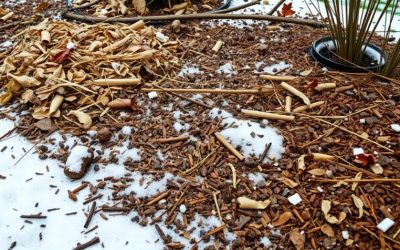
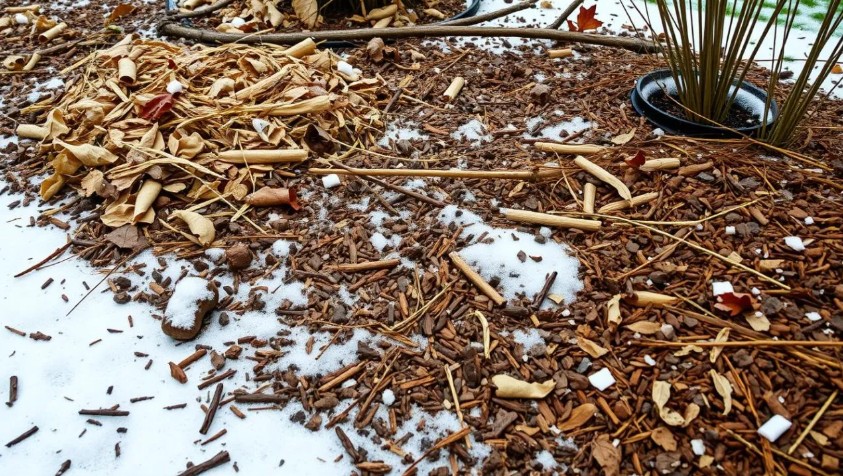
Organic mulch is a great option for gardens. It’s made from natural stuff like wood chips, leaves, and more. This type of mulch is really good for your plants and the soil.
One key benefit is how it keeps the soil moist. It stops water from evaporating so the soil stays damp. Less watering is needed, especially when it’s hot or dry.
It also keeps the soil’s temperature steady. In summer, it keeps the soil cool. In winter, it warms the soil up. This saves your plants from harsh weather.
Organic mulch makes the soil better, too. As it breaks down, it adds good stuff to the soil. This makes plants healthier and their roots stronger.
Plus, it fights off weeds. The mulch blocks sunlight from weed seeds. This means you don’t have to weed as often or use chemicals.
Types of Organic Mulch
- Wood chips: Ideal for long-lasting coverage and creating a natural aesthetic.
- Leaves: Easy to collect and a great way to recycle autumn foliage.
- Compost: Provides a nutrient-rich boost to the soil while acting as mulch.
- Shredded bark: Offers an attractive appearance and slowly breaks down over time.
- Straw: Effective for retaining moisture and suppressing weeds.
- Grass clippings: A readily available mulch option that enhances soil fertility.
Each type of mulch has its own features. They break down at different rates. It’s good to think about what your garden needs. Trying different mulches can help your plants grow best.
Inorganic Mulch
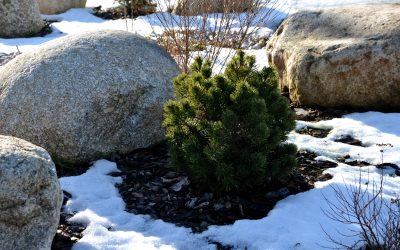
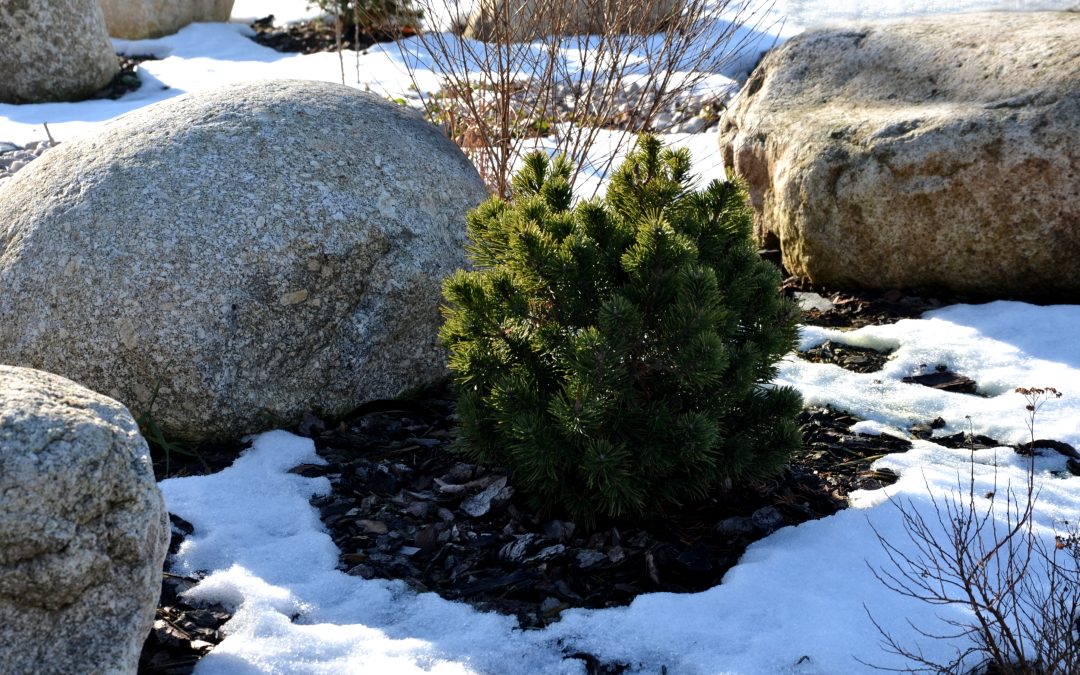
Inorganic mulch is a cool alternative to organic types. It’s made from rocks, seashells, and more. This kind of mulch looks great and is easy to take care of.
It doesn’t break down like organic mulch does. This means it lasts much longer. You won’t have to replace it so often. It’s perfect for places with lots of people walking or if you like a neat garden.
Inorganic mulch stops weeds from growing. This saves you time from pulling them out. Then, you can just enjoy your garden more.
But, it can get really hot in the sun. This warmth might not be good for all plants. Think about this before using inorganic mulch.
Choose inorganic mulch that fits your garden’s look. Stones and gravel can give a natural feel. Seashells and glass make your garden stand out. Pick what matches your style.
Conclusion
Choosing the right mulch for your garden is key to its health. You must decide between organic and inorganic mulch. Understanding each type will let you pick the best one.
Think about what your garden needs when picking mulch. This includes keeping moisture, stopping weeds, staying cooler, and looking good. Organic mulches like wood chips and leaves keep the soil moist. They also make soil better and stop weeds from growing. Inorganic mulches, such as stone, need less care and last longer.
Getting the right mulch can make your plants grow better and be healthier. Think about what your garden and plants need. Then, use our tips to choose the best mulch. This will help your garden be both beautiful and full of life.