Are you eager to start planting your garden? Don’t jump the gun, or your tender young plants may get frostbitten and die. If you start too soon, you’ll also have to struggle with half-frozen, unwieldy soil, which isn’t good for you or for the seedlings you’re trying to install. Here’s how to tell when the ground has thawed for good and it’s safe to begin creating your garden.
The First Sign: Warm Weather
Your first clue that the ground is thawing is going to be directly weather-related. Your area will experience several warm days in a row. However, be careful, since a series of warm days can quickly turn into another cold snap.
This weather volatility is especially dangerous in the north, where areas often experience a last chilly period or two before spring comes for real. Take your time and observe the weather carefully.
Do Your Research
Scientists and climatologists collect data from all over the world, including your area and frost zone. Check online to find statistics going back decades. These facts and dates can help you predict when your area may begin its real thawing process.
However, keep in mind that such timelines are susceptible to the fickleness of weather. You’ll need to do more hands-on testing before trusting that the ground is fully thawed, and the cold weather is truly over for the season.
Test the Soil
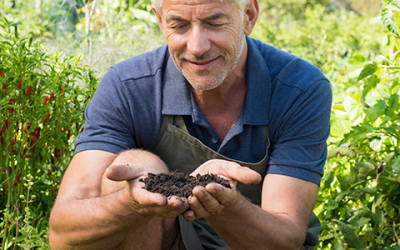
Walk across your lawn or garden space. How does the earth feel under your feet? Does it still feel stiff, solid, and unyielding? Frozen soil tends to feel dense and hard, both to footsteps and to the touch. Touch the ground to see how cold and solid it feels. If it’s hard to the touch, it’s not ready. But if there’s some give to the earth, and if it’s soft and springy or crumbly, it may be nearly time to plant.
Keep in mind that while surface soil may have thawed, the underlying layers of soil could still be hard and cold. Using a spade or garden tool, dig down a bit to see if the soil is still unyielding deeper down, or if it’s truly soft all the way through. If it is, it’s go time for spring planting!
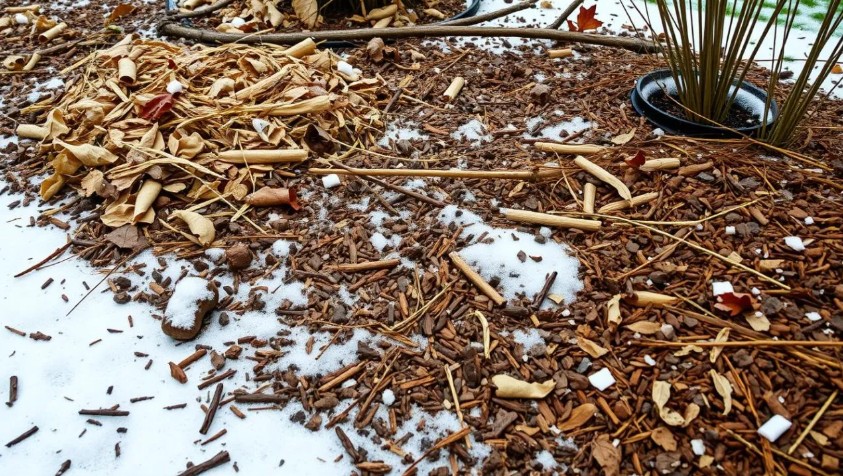
Even before the soil is thoroughly thawed, you can go online to Kurtz Bros., and begin ordering the supplies you’ll need for a successful growing season. Don’t forget to order new tools if any of yours are old, rusted, or damaged. In addition, you’ll probably need some rich soil to bolster your garden beds, some mulch to refresh the areas around trees and bushes, and possibly a little fertilizer or grass seed to perk up your lawn. If you have questions, feel free to contact our lawn care experts, and we’ll be happy to help.