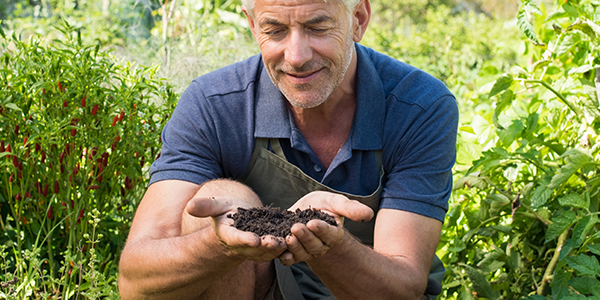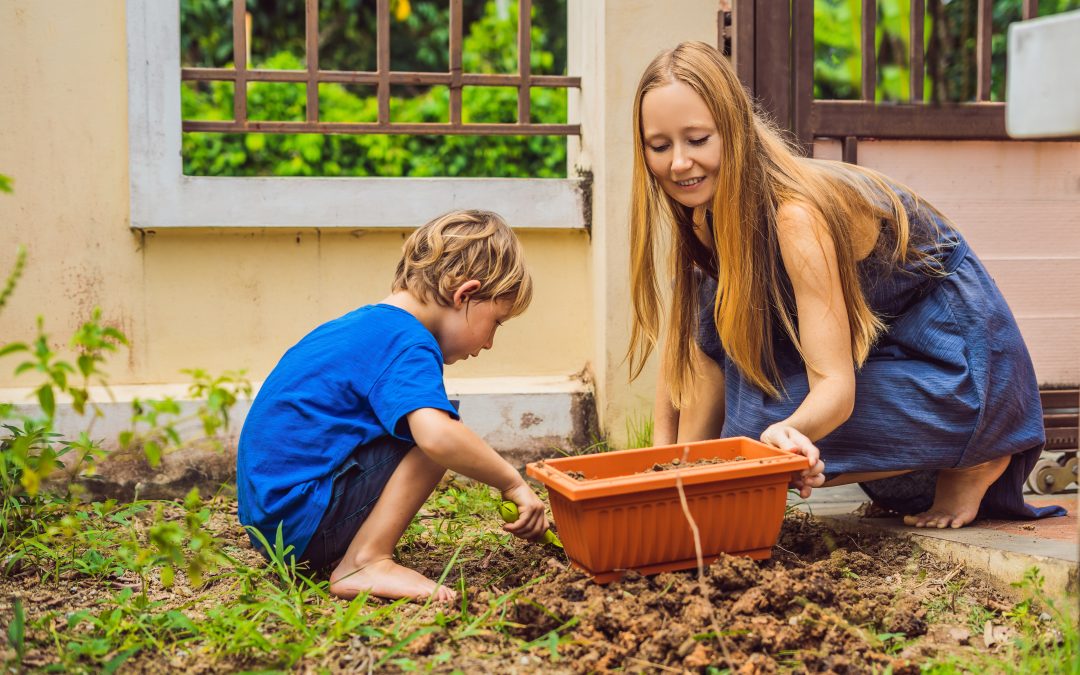

Do you dream of a vibrant garden? The secret might be in your topsoil. Topsoil is crucial for plants to thrive. But, how can you tell if your topsoil is ready for the job? And what steps can you take to make sure it’s perfect for your plants?
This guide will show you the key steps for testing and improving your topsoil. By checking its health and adjusting as needed, you can set the stage for great plant growth. You’re about to learn how to make your garden lush and alive.
Key Takeaways:
- Testing and amending your topsoil is crucial for achieving optimal results in your garden.
- Evaluating the health of your soil and making necessary adjustments is essential for ensuring your plants thrive.
- By testing your topsoil, you can gain valuable insights into soil pH and nutrient levels.
- Amending your topsoil with organic matter and addressing specific nutrient deficiencies can enhance soil fertility.
- Regular soil testing and amending can prevent nutrient deficiencies, improve soil structure, and enhance overall plant health.
How to Test Your Topsoil
Testing your topsoil is the first step to understand its health. It’s important to know what’s in your soil to make your garden the best it can be. You can choose from different ways to test your soil, based on what you like or have.
Want to try it yourself? DIY soil tests are easy and doable. The peanut butter jar test is great for checking soil texture. Just mix soil and water in a jar, shake it well, then wait 24 hours. You’ll see layers form to show the soil’s texture. This tells you about drainage and if it holds nutrients well.
The pantry soil pH test checks your soil’s acidity. Put soil samples in jars and add vinegar or baking soda to them. If one jar fizzes, your soil is either too acidic or alkaline. No fizz means the pH is just right. This simple test helps you know if your soil needs adjustments.
Another easy test is the earthworm test. Earthworms like living in good soil with air and nutrients. Dig a small spot and count the earthworms you see. Lots of earthworms means your soil is probably healthy and fertile.
For a more detailed check, you can use a soil test kit or send a sample to an expert. Soil test kits come with everything you need to check pH and nutrients. They give you precise information on your soil’s health. This helps you know what your soil lacks or has too much of.
Soil pH and Nutrient Analysis
Plants need the right soil pH to grow well. Most like soil that’s a bit acidic to neutral, between 6.0 and 7.0 pH. Some plants have different pH needs. Checking your soil’s pH helps you see if it’s ready for growing.
A nutrient analysis tells you about your soil’s key elements. This info helps you spot where your soil needs more or less of certain nutrients. Adding the right fertilizers and amendments improves plant health and growth. The main nutrients are nitrogen, phosphorus, and potassium, known as NPK.
Testing your soil, whether you do it yourself, use a kit, or get expert help, gives you important facts. Knowing your soil’s condition helps you plan the best care for your plants. You can adjust the soil to make it perfect for what you want to grow.
How to Amend Your Topsoil for Optimal Results
After you test your topsoil and see any problems, you need to fix it. Amending the soil can make it just right for plants to grow well. This can lead to healthier plants and more produce.
Adding things like compost or aged manure is a good start. These are full of nutrients and helpful for the soil’s health. They improve the soil’s ability to let water through and air to get in. Also, they hold water like a sponge, slowly giving it to the plants, which avoids too much water or drought.
Pick good quality compost or manure that is fully decomposed. This keeps out weed seeds and disease. Spread it over the soil and mix it in well. You want it 2-4 inches deep for most soils. If your soil is clay or sandy, go up to 6 inches deep.
If your soil is lacking in nutrients like nitrogen, phosphorus, or potassium, your plants could struggle. To fix this, use fertilizers or additives with these nutrients. Remember, different plants need different nutrients to grow well.
Even before you add fertilizers, check what your soil really needs. A detailed soil test is the way to go. It will tell you what your soil is missing. Then you can add the right fertilizers to balance your soil’s nutrients.
Soil pH is also very important. It affects how easily plants can get certain nutrients. Most plants do best in slightly acidic to neutral soil, around a pH of 6 to 7.
If your soil is too alkaline (has high pH), add sulfur. This will lower the pH over time. If your soil is too acidic (has low pH), add limestone. It balances the pH by reducing the acidity.
Adding organic matter, fixing nutrient issues, and balancing soil pH makes a perfect home for plants. Keep an eye on your soil and make adjustments when needed. Then, your plants will be happy and productive.
The Benefits of Amending Your Topsoil:
- Improves soil structure
- Enhances drainage and aeration
- Provides essential nutrients to plants
- Prevents nutrient deficiencies
- Retains moisture in the soil
- Boosts beneficial soil microorganisms
- Adjusts soil pH for optimal nutrient availability
Conclusion
Testing and improving the topsoil are crucial for a great garden. You need to check your soil’s health and tweak it, so your plants can grow well. This stops nutrient problems, makes the soil better, and boosts the health of all your plants.
With the right tips and tools, your garden can be amazing. Always remember to check your soil often and make changes when necessary. This way, your soil stays healthy, helping your garden succeed and yield lots of produce.
Taking time to look after your soil will pay off. It means your plants are getting what they need to be strong and lush. Don’t delay in caring for your soil. Your garden will show your efforts with its vibrant, healthy plants!