
Summertime is in full swing, and you’re concerned about keeping your lawn fresh and green. You also want your lovely plants and flowers to stay healthy and good-looking for those backyard parties and barbecues. Here are some important tips for hydrating your lawn and your garden during the hottest time of the year.
- Add Fresh Mulch
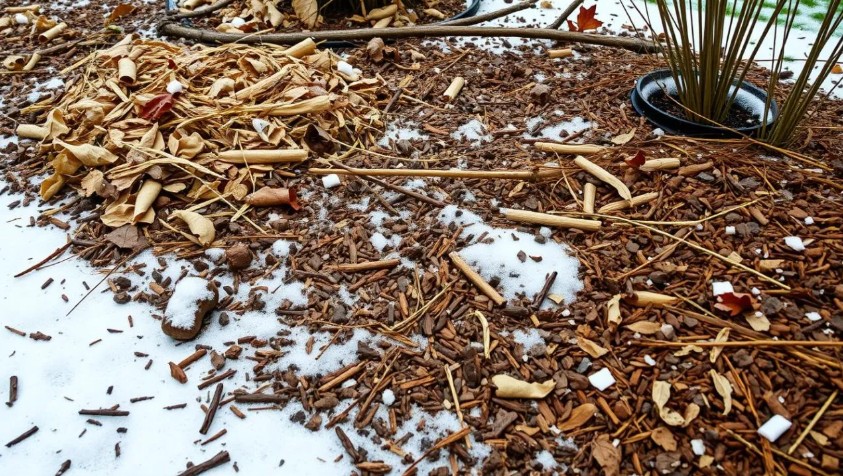
One way to keep your flowerbeds and tree roots cool this summer is to spread a rich layer of mulch. The mulch holds in some moisture, slowing the evaporation process and keeping too much water from draining away. Organic mulches like leaves, shredded paper, straw, or wood chips works well for keeping your plants, shrubs, and trees hydrated.
- Water Heavily
Instead of doing short, frequent watering sessions, opt for watering periods that are farther apart but longer. Give the earth a good, thorough soaking, right down to the deepest roots, and your lawn will stay moistened much longer.
- Do the Dryness Test
To see if you should be hydrating your lawn, stick one finger in the earth. If the soil is still damp up to your middle knuckle, there’s no need to water it again. If it’s only barely damp at your fingertip, your grass could use another soaking.
- Introduce Absorbent Organic Matter
If your soil is really having trouble retaining water, consider blending some moisture-holding materials into the earth. Some compost, peat moss, or coconut coir will soak up water and keep it in the soil longer.
- Know Your Plants
Some plants, like cucumbers and potatoes, don’t do well in hot, arid conditions when watering is infrequent. Tomatoes handle dry spells poorly as well, often developing rotten areas near one end. Plants like these will need extra water and careful attention during the summer. Other plants, like rosemary, oregano, and marjoram, flourish in dry heat and may taste even better, as long as they still receive enough water to stay alive.
- Watch the Plants in Pots
Vegetables, herbs, or fruit grown in planters or pots will lose moisture faster than those planted directly in the soil. Check these plants more often and water them as needed.
- Pick the Right Time of Day
Avoid hydrating your lawn late in the afternoon when the heat is at its worst. Instead, water in the morning, when the air is cooler. Watering in the evening isn’t the best idea, since the plants may stay too wet during the night and begin to develop bacterial disease or fungi. If the day is very windy, wait until the breezes die down to do the watering, or the wind will blow-dry the plants and soil too quickly.
At Kurtz Bros., we’re ready to help with all your landscaping needs. Call us anytime for tools, supplies, or just to get some expert advice on caring for your outdoor space.