
Are weeds making your gardening life hard? Is it tough to keep your plants and soil healthy? Maybe it’s time to think about using mulch. But with many types of mulch out there, which one is best for you?
There isn’t one perfect mulch for everyone. Each kind of mulch does something special for your plants. You might want to keep the soil wet, stop weeds, keep the soil warm, or make it healthier. Picking the right mulch is key.
Some well-known mulches are shredded bark, straw, compost, bark nuggets, and rocks. Each type brings its own benefits and downsides. For example, shredded bark or straw adds good stuff to the soil as it breaks down. Rocks or gravel, which are inorganic mulches, fight weeds for a long time with less effort.
But what should you think about when choosing mulch for your garden? And how do you put it down and keep it looking good?
In this piece, we’ll look at various mulch types and what they offer. We’ll see what organic mulch does for your garden and what’s the best to use. We will also check out inorganic mulch, giving you all the info to make a wise choice. And, we will share some great tips to make your garden bloom with the right mulch.
Key Takeaways:
- Choosing the right mulch is crucial for the health and growth of your plants.
- There are various types of mulch available, including organic and inorganic options.
- Organic mulch enriches the soil with organic matter and retains moisture.
- Inorganic mulch offers long-lasting weed suppression and low maintenance.
- Consider factors like cost, availability, and aesthetic appeal when selecting mulch.
Organic Mulch: Benefits and Best Options
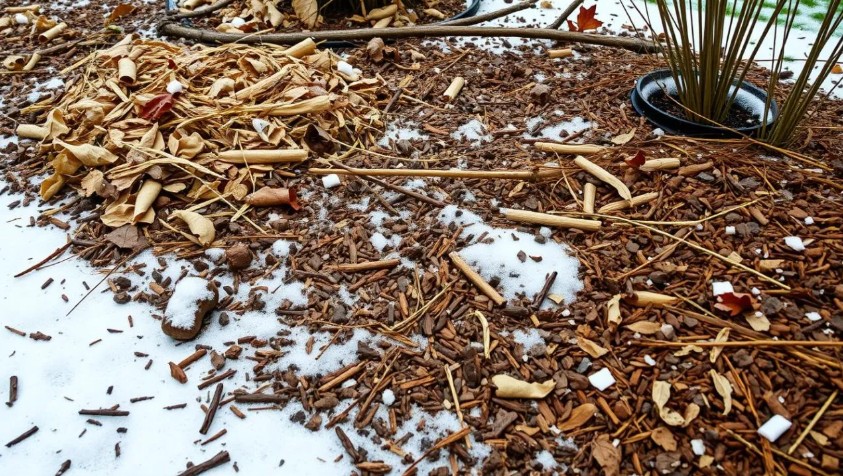
Organic mulch is a fantastic choice for your garden. It’s made from things like bark, leaves, and straw. This kind of mulch helps your plants and the soil stay healthy.
The Benefits of Organic Mulch
- Moisture Retention: It slows down water loss. This means your plants need less water.
- Regulates Soil Temperature: It keeps the ground cool in summer and warm in winter. This protects plants from extreme weather.
- Improves Soil Quality: It adds good stuff to the soil as it breaks down. This makes the soil better for plants.
Best Options for Organic Mulch
Different types of organic mulch suit different needs. You can choose from:
- Shredded Bark: It looks natural and helps keep moisture in, while stopping weeds.
- Straw: This mulch is affordable. It works well for vegetables and keeps the soil even.
- Compost: It feeds the soil and makes it richer, helping plants grow stronger.
- Shredded Leaves: They’re easy to get and turn into a good soil cover. They keep the soil moist and cut down on weeds.
It’s key to pick the right mulch for what your garden needs. Each kind has special benefits.
Choosing organic mulch means your garden stays healthy without lots of work. The mulch, along with your care, will help your garden last a long time.
Inorganic Mulch: Pros and Cons
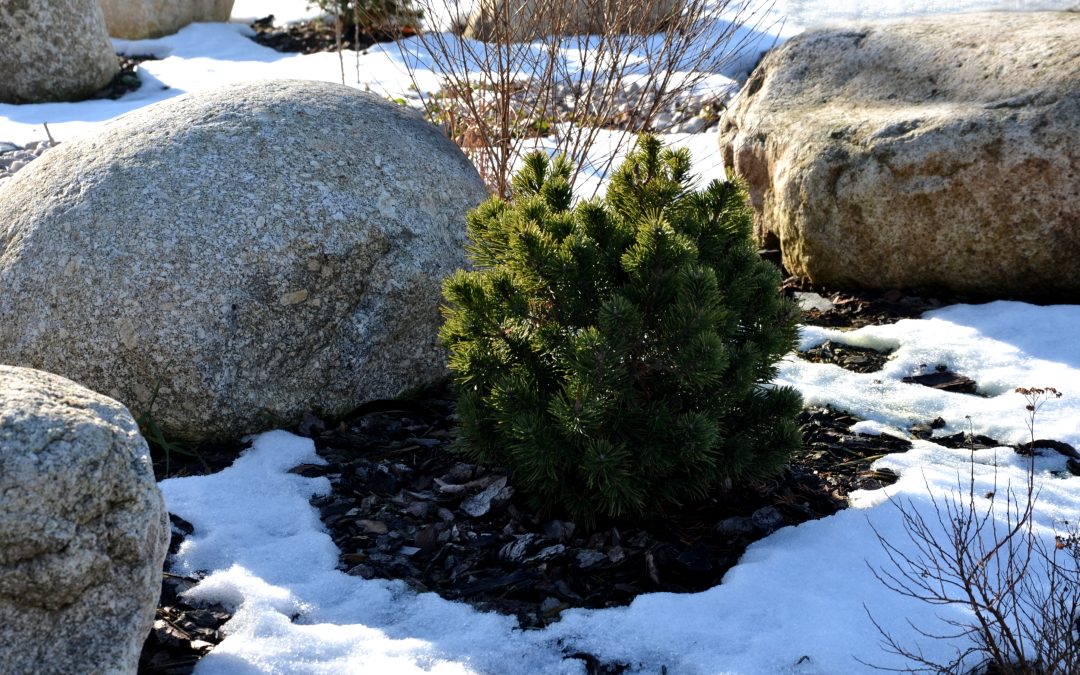
Inorganic mulch is made from things like rocks and glass. It’s great for gardens but has some downsides, too.
Benefits of Inorganic Mulch
One big plus of inorganic mulch is that it lasts a long time stopping weeds. Unlike organic mulch, it doesn’t disappear over time. That means less work for you.
This mulch also doesn’t need a lot of upkeep. You just put it down and leave it, saving you time in the garden. It offers multiple colors and textures to match your yard’s look.
Drawbacks of Inorganic Mulch
But, there are downsides, too. Inorganic mulch doesn’t help the soil like organic mulch does. It doesn’t give soil the nutrients and life it needs to thrive.
It can also make the ground too hot for plants in the sun. This heat stress can hurt your plants. Dark mulches can get especially hot, so watch out for that.
Using this mulch can cost more than using organic options. So, your garden budget might need more room. Keep this in mind if you have a big area to cover.
To decide if inorganic mulch is right for your garden, think about what matters most. It’s great for stopping weeds and looks nice. But, if your soil’s health is top priority, look at other choices.
Conclusion
Choosing the right mulch for your garden is key. It helps keep plants healthy and the soil rich. Learn about the different types to pick what’s best for your goals.
Organic mulch helps by keeping moisture in, protecting the soil, and making it richer. Types like shredded bark, straw, and compost do this. In contrast, inorganic mulch, such as rocks and gravel, blocks weeds for a long time and needs less work.
Think about the cost, what’s easily available, and how it looks when choosing mulch. If you care about using natural materials, organic mulch is for you. It also improves your soil as time goes on. But, if you like a low-fuss way to keep weeds away or want a neat look, choose inorganic mulch.
To make the most of your mulch, avoid piling it too high, add more when needed, and follow expert tips. With the right care, your garden will flourish. This works with both organic and inorganic mulch choices.
By choosing the best mulch for your needs, your garden can become both beautiful and productive.