
Mulching is vital for garden care, benefiting plants and soil. It keeps roots cool, fights weeds, and holds onto moisture. This promotes ideal growth. Yet, to gain all its advantages, steer clear of many blunders. Follow these expert suggestions to sidestep problems and gain top results from your mulching projects.
Key Takeaways:
- Choose mulch material free from weed seeds and herbicide residues to protect your plants from harm.
- Avoid using a deep layer of mulch, as it can limit water and oxygen supply to plant roots and encourage fungal growth.
- Don’t pile mulch against the trunks of trees and plants, as it can cause rot and attract pests.
- Opt for organic mulch options like composted leaves and pine bark for their moisture retention and soil fertility benefits.
- Consider natural-looking mulch options to enhance the aesthetic appeal of your garden and prevent potential harm to pets and children.
Finding the Right Mulch for Your Garden
Choosing the right mulch for your garden is key. It’s important to think about what your plants need for the best results. Luckily, there are many mulch types to meet various gardening needs.
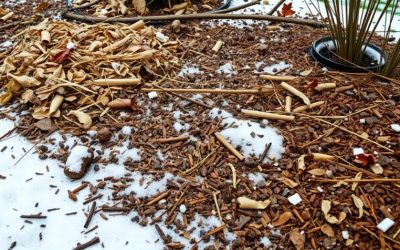
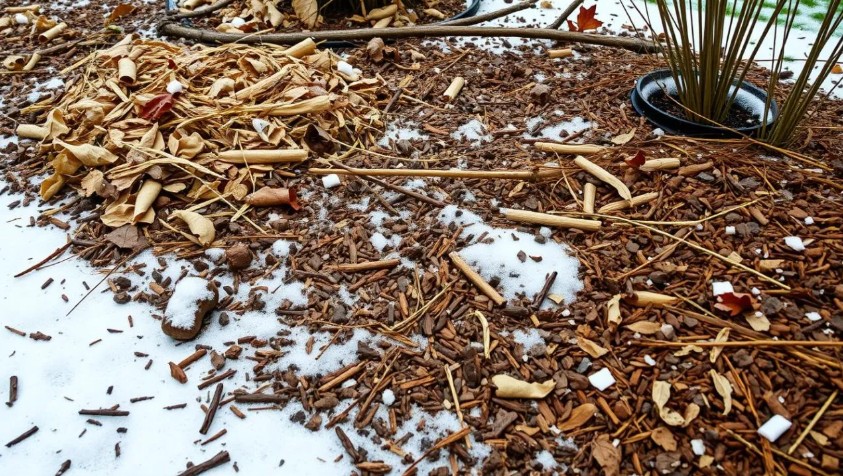
Organic mulch, like wood chips, pine bark, and composted leaves, has great benefits. These natural materials keep the soil moist, regulate its temperature, and improve its fertility. They help your plants stay healthy, leading to beautiful and thriving gardens.
Finding good mulch suppliers is crucial. Pick ones that provide top-quality organic mulch. This way, you know the mulch feeding your garden is safe and nutritious.
Choosing the right mulch is a big deal for your garden’s health. Think about how well it keeps moisture, controls the temperature, and enhances the soil. With these factors in mind, you can pick the perfect mulch for your garden.
Proper Mulch Installation Techniques
Getting mulch installation right is key to using it effectively. A big mistake to steer clear of is piling on too much mulch. This can stop air and water from reaching plant roots. A good rule is to apply a 2 to 4-inch layer of mulch, not more.
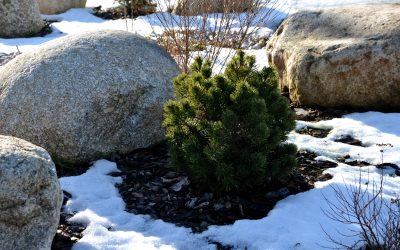
When mulching around trees, watch out for mulch stacked high like a volcano. This harms the tree by keeping too much moisture and attracting pests. Instead, thin out the mulch as you get closer to the tree, which helps the roots stay healthy.
Start by clearing away old mulch, weeds, and debris before you lay down the new mulch. You can spread the fresh mulch evenly by using a rake or by hand. Just make sure it stays away from the stems of plants and the base of trees.
Thinking about mulch? Check out delivery services that bring quality mulch right to your door.
Conclusion
When mulching, some mistakes can hurt your garden’s success. But, you can dodge these issues with simple tricks. This way, your garden will be both beautiful and full of life.
Choosing the right mulch for your garden is key. Think about what your plants need. Go for natural choices like wood chips, pine bark, or composted leaves. These types keep the soil moist and healthy for plants.
Watch out how much mulch you use. Too much can block air and water from reaching plant roots. Aim for a layer that’s 2 to 4 inches thick, not more. Also, don’t pile mulch next to tree or plant trunks. This helps prevent damage and lets roots breathe.
Installing mulch properly is also important. Before adding new mulch, clear out old stuff, debris, and weeds. Use a rake or your hands to spread the mulch evenly. Make sure it doesn’t touch plant stems or tree trunks directly.
By following these mulching tips and steering clear of mistakes, you’ll boost your garden’s health and beauty. Enjoy the positive effects of mulching. Your plants will thank you by growing strong in a nourished and safe space.