
Mulch is like a secret tool for gardeners. It boosts soil health, stops weeds, saves water, and keeps plants safe. There are so many mulch and topsoil choices out there. So, which ones should gardeners focus on in 2024?
Staying up-to-date in the world of gardening is key. This article will dive into the top features for mulch and topsoil for the next year. These features will make your garden shine.
Key Takeaways:
- Discover the mulch and topsoil features that will optimize your garden’s beauty and health in 2024.
- Learn how mulch enhances soil fertility, conserves moisture, and controls weed growth.
- Explore various types of mulch, including wood chips, straw, bark, and compost, and their unique benefits.
- Understand proper mulching techniques, including the ideal thickness and annual refreshment.
- Uncover the sustainability and environmental impact of choosing organic mulch options.
Exploring Different Types of Mulch for Your Garden
When mulching, you have many choices. From wood chips to compost, each type offers unique benefits for landscaping.
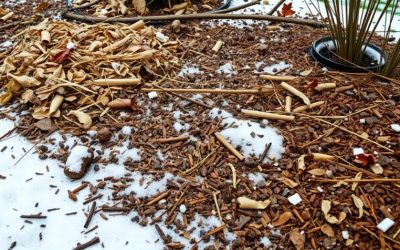
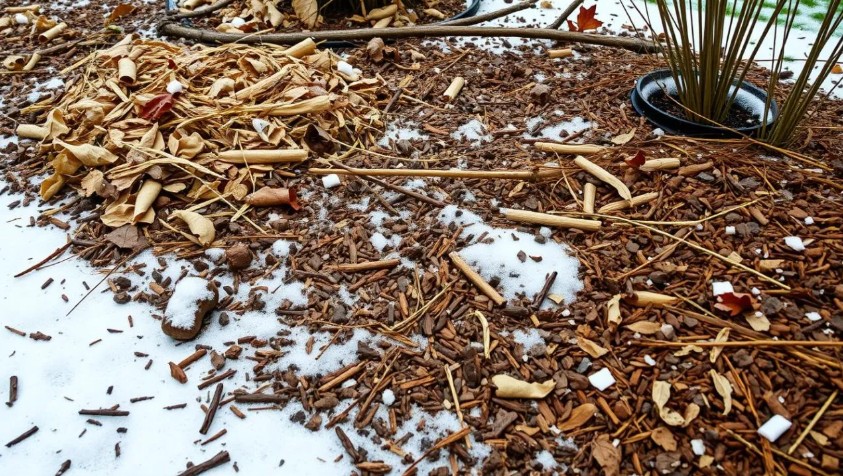
Wood chips are well-liked for stopping weeds and holding moisture. They reduce the need for lots of watering. This makes gardeners happy.
Straw mulch is great for vegetable plots. It keeps soil temperatures even and holds moisture well. This helps vegetables grow strong and healthy.
If you want your garden to look nice, choose bark mulch. It comes in different colors and textures. It keeps the soil moist and stops weed growth too.
Compost does more than just feed plants. It also makes a great mulch. It adds nutrients to the soil, making it better for growth. This helps your plants’ roots grow strong.
Picking the right mulch is important. Think about your garden’s needs. This includes the plants you have and how much care they need. Choosing organic mulch is good for the planet and your garden.
Improving Soil Health for Successful Gardening
Good soil is vital for a great garden. To boost your soil health, start before planting season. Clear rocks and loosen the soil. Add compost or manure. This makes a rich space for plants to grow well.
It’s crucial to know what kind of soil you have. There are different soil types like clay or sandy. Each needs certain care. Knowing your soil type helps you choose the best stuff to add.
Testing the soil is a good idea too. A soil test tells you its pH and what nutrients it has. This helps you fix the pH for better plant growth. It also guides you in feeding your plants what they need most.
Focus on your soil for a thriving garden. Prepare it right and adapt for different soil types. Test it to know its needs. Doing this means healthy plants and a great garden all season.