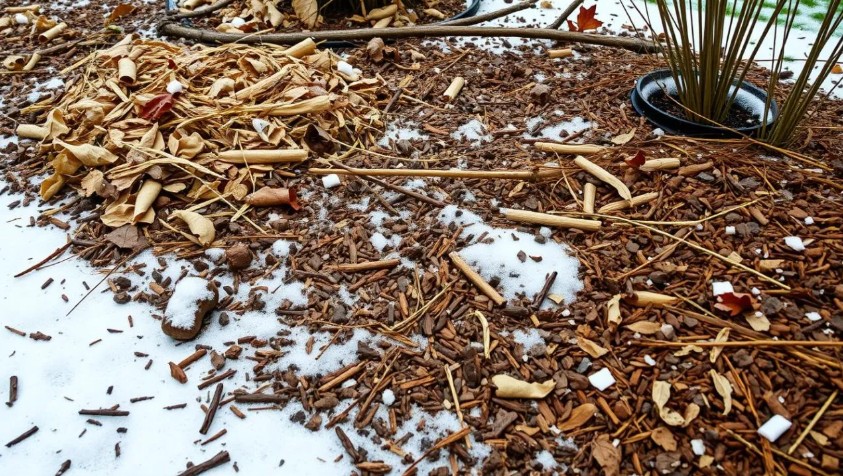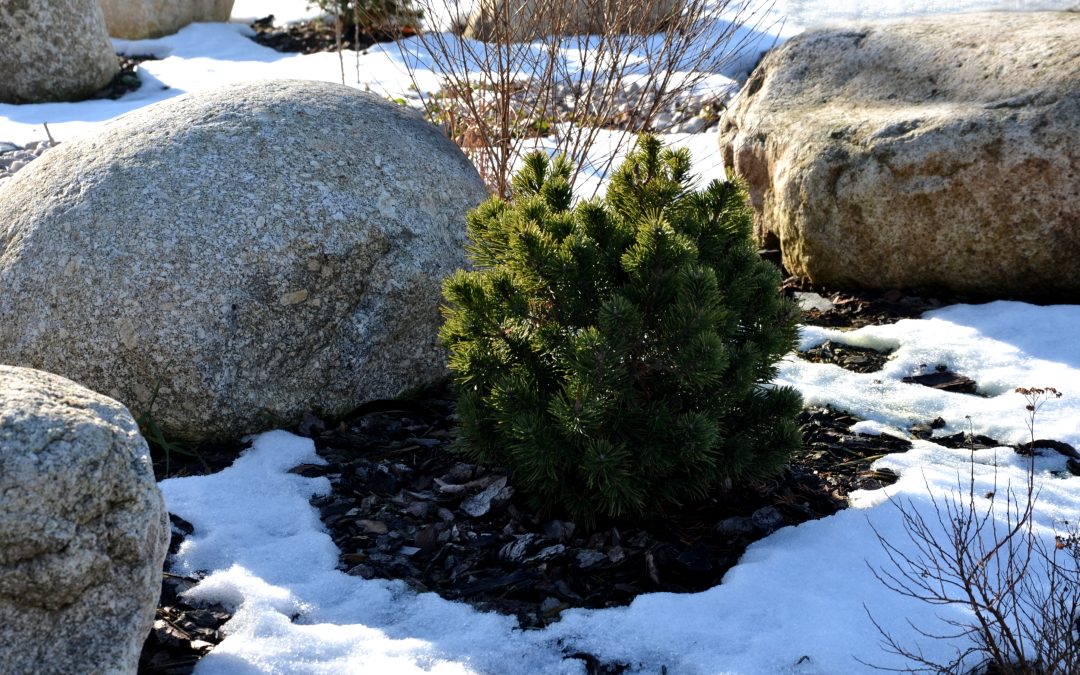

Preparing a garden for winter requires careful attention, and mulching is one of the best methods to protect plants. Quality winter mulch helps to conserve moisture in the soil and reduces temperature changes, which can harm roots. It serves as a protective layer that acts as insulation, keeping plants safe during fluctuating temperatures.
Benefits of Winter Mulching
- Insulation: Mulch helps maintain a more stable soil temperature, protecting plant roots from the effects of freeze-thaw cycles.
- Moisture Retention: It reduces water loss from the soil, important during dry winter months.
- Weed Control: A layer of mulch suppresses weeds that compete for nutrients.
- Soil Enrichment: As mulch breaks down, it enriches the soil with organic matter, beneficial for the next growing season.
Types of Winter Mulch
There are several options available for winter mulching:
- Straw: This material is lightweight and provides good insulation.
- Wood Chips: Long-lasting and attractive, ideal for flower beds and around trees.
- Shredded Leaves: An inexpensive option that adds nutrients when decomposed.
- Bark Mulch: Provides a sturdy layer that resists compaction.
- Pine Straw: Offers excellent coverage and is particularly effective in acidic soils.
- Grass Clippings: A readily available option that decomposes quickly.
Application Tips
The best time to apply winter mulch is in late fall before the ground freezes. Proper application involves:
- Clearing the Area: Remove debris from the garden bed.
- Applying a Layer: A depth of 2-4 inches is ideal for insulation and moisture retention.
- Avoiding Soil Contact: Keep mulch a little away from plant stems to prevent rot.
Winter mulching not only protects garden plants but also supports beneficial insects and earthworms, encouraging a healthy ecosystem. Following these practices can significantly enhance the garden’s health and resilience through the cold months.