Retaining Wall Materials: Which Is Right for Your Landscape?

Jun 16, 2024 | Retaining Wall, Wall & Patio Stone

Retaining Wall

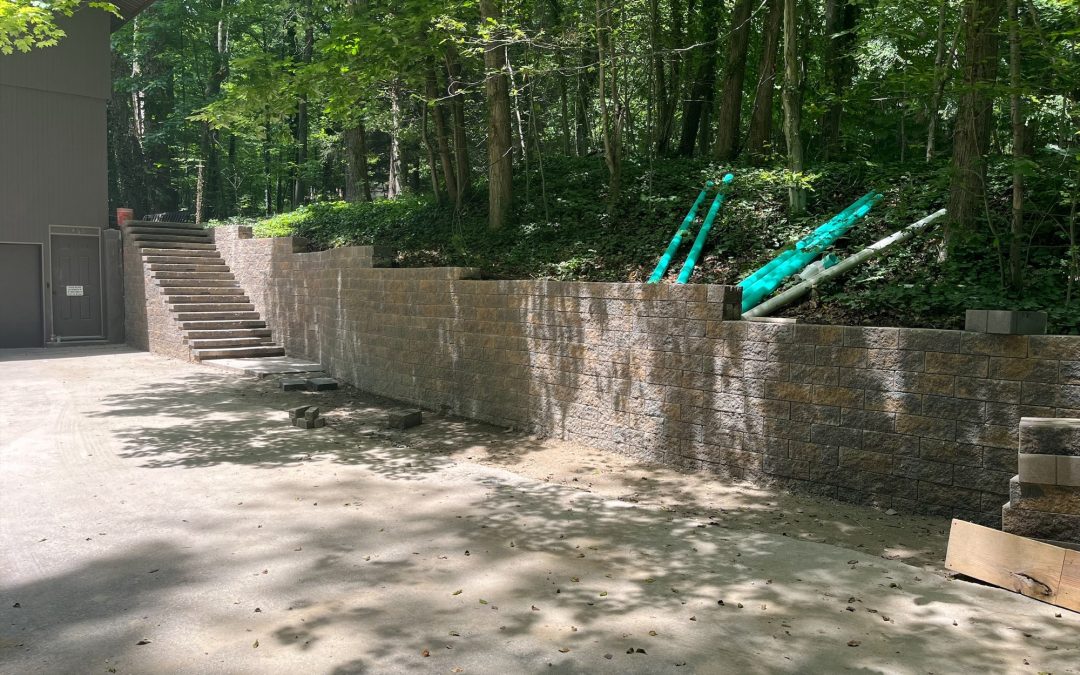
Retaining walls are key in both looks and function in landscaping. They make outdoor spaces look amazing and help prevent soil erosion and control water flow.

But picking the right material for your retaining wall is tough. Should you go with wood, masonry, poured concrete, or interlocking blocks? Each has its own pros and cons. Picking the wrong one could shorten your wall’s life.

Let’s look at the different materials for retaining walls and find the best one for your landscape.

Key Takeaways:

  • Retaining walls are essential in both functionality and aesthetics in landscaping.
  • The choice of retaining wall material greatly impacts effectiveness and longevity.
  • Popular options for retaining wall materials include wood/timbers, masonry, poured concrete, and interlocking concrete blocks.
  • Each material has its own advantages and considerations in terms of cost, lifespan, and aesthetic appeal.
  • Proper installation is crucial for the durability and lifespan of your retaining wall.

Different Types of Retaining Wall Materials

Choosing the right materials for a retaining wall is key. Cost, durability, and how easy they are to install matter a lot. Each type has its own benefits for your landscape project.

Here are some popular options to consider:

1. Wood/Timber

Wood or timber walls are a budget-friendly choice. DIYers can build them. They can last up to 40 years with pressure-treated pine or fir. Cedar or redwood costs more but lasts about 20 years. They add a natural beauty to your landscape.

2. Masonry

Masonry walls use stone, brick, or concrete blocks. They’re strong and last a long time. You’ll need a pro for mortared walls, but dry-stacked stone walls are DIY-friendly. Your choice depends on style and budget.

3. Poured Concrete

Poured concrete walls are the strongest and most durable. You can make them look better with stamping, staining, or veneering. While pros are best for big projects, skilled DIYers can do small ones.

4. Interlocking Concrete Blocks

Interlocking concrete blocks are light and easy to put up. They come in many colors and patterns. This material fits well with various landscape designs.

Remember, each material has its own price tag. Wood is the cheapest, while poured concrete is the priciest. Pick a material that fits your budget and project needs.

Choosing materials depends on your design likes, budget, and how long you want the wall to last. Whether you do it yourself or hire pros, the right materials make a big difference.

Tips for Choosing the Right Retaining Wall Material

Choosing the right material for your retaining wall is important. Think about what you want the wall for, like creating terraces or preventing erosion. This helps pick the best material for your needs.

Consider the look you want for your wall. Materials like concrete, stone, or timber have unique styles. Make sure it matches your landscape’s style for a beautiful look.

Don’t forget about your budget. Look at the cost per square foot of different materials. If you’re on a tight budget, there are still durable and functional options available.

If your wall will be over 4 feet tall, get an engineer’s advice and hire a professional contractor. They know how to make sure your wall is strong and follows the rules.

Think about how long the material will last and if it’s good for your climate. Some materials don’t do well in certain weather. Choose one that can handle your local weather and needs little upkeep.

Keep these tips in mind to pick the best retaining wall material for your space. Whether you’re doing it yourself or hiring experts, find a material that looks good and works well.
FAQ

What is the purpose of a retaining wall?

Retaining walls have two main roles in landscaping. They keep soil in place on slopes and make areas level for gardens, patios, and driveways.

How do different retaining wall materials impact effectiveness and longevity?

The material you choose for a retaining wall affects its performance and life span. Each type has its own pros and cons regarding cost, durability, and looks.

What are the different types of retaining wall materials?

Popular choices for retaining walls include wood/timbers, masonry, poured concrete, and interlocking concrete blocks. These options vary in price, strength, and style.

Can I build a retaining wall myself?

Yes, you can build a wood/timber wall on your own if you’re handy. But, masonry and poured concrete walls need a pro. Interlocking concrete blocks are easy to put up yourself.

How long do different retaining wall materials last?

A retaining wall’s life span depends on the material and how well it’s installed. Wood/timber can last 40 years, while cedar or redwood about 20. Masonry and poured concrete are very durable.

What factors should I consider when choosing a retaining wall material?

Think about the wall’s purpose, the look you want, and your budget before picking a material. Don’t forget to consider the climate and how long you expect the wall to last.

How much does a retaining wall cost?

The price of a retaining wall varies by material, wall size, and if you need a pro for installation. Wood/timber is the cheapest, while poured concrete is more expensive.

Do I need a professional for designing and constructing a tall retaining wall?

For walls over 4 feet high, you should talk to an engineer and hire a pro for design and building. This makes sure the wall is safe and sturdy.

How do I maintain the durability of a retaining wall?

Keeping up with maintenance and checking the wall regularly is key to its long life. Good drainage is important to avoid water damage. Fix any damage or shifting right away.
You May Also Like

Expertly Reviewed By:
Matt Malone, President
Matt Malone
Matt is an accomplished business professional with over three decades of experience in the green industry. As a graduate of the University of Toledo with a Bachelors of Business Administration, he has put his extensive education and training to work, with over 15 years with Kurtz Bros., where he currently serves as President.

Learn More About Matt

8 Steps to Create a Paver Patio   

8 Steps to Create a Paver Patio   

Is a new paver patio on your to-do list this summer? Here are 8 steps to create a paver patio! There's a lot more to this project than just buying the blocks you like and placing them. Any good patio project should start with thoughtful planning to ensure the end...

How to Choose the Right Materials for Your Retaining Wall

How to Choose the Right Materials for Your Retaining Wall

Have we thought about how the right materials for retaining walls can change our outdoor spaces? At Kurtz Bros. Landscape Supply, we know picking the right materials is key. It's not just for building strong structures and controlling erosion. It's also about making...

DIY vs. Professional Retaining Walls: What You Need to Know

DIY vs. Professional Retaining Walls: What You Need to Know

Have you ever thought about building your own retaining wall? Or wondered if getting professional help is better? In the world of landscape design, deciding between DIY and professional retaining walls is key. These walls are vital for controlling erosion, making...