
Variety makes a summer garden more beautiful. But how do you determine which vegetables, herbs, or decorative plants go well together? Creating the right combination of plants in your beds is called companion planting, and it can help your soil stay balanced, pest-free, and nutrient-rich. Find out more about summer garden plants that complement each other.
Spring Flowers with Summer Flowers
If you’re focusing on flowering plants, try mixing some spring bloomers with some plants that bloom in the summertime. That way, you’ll have some color in the beds throughout the warm months. Plus, the fresh foliage of the late-blooming plants will distract from any fading leaves on the plants that bloomed earlier.
Complementary Colors
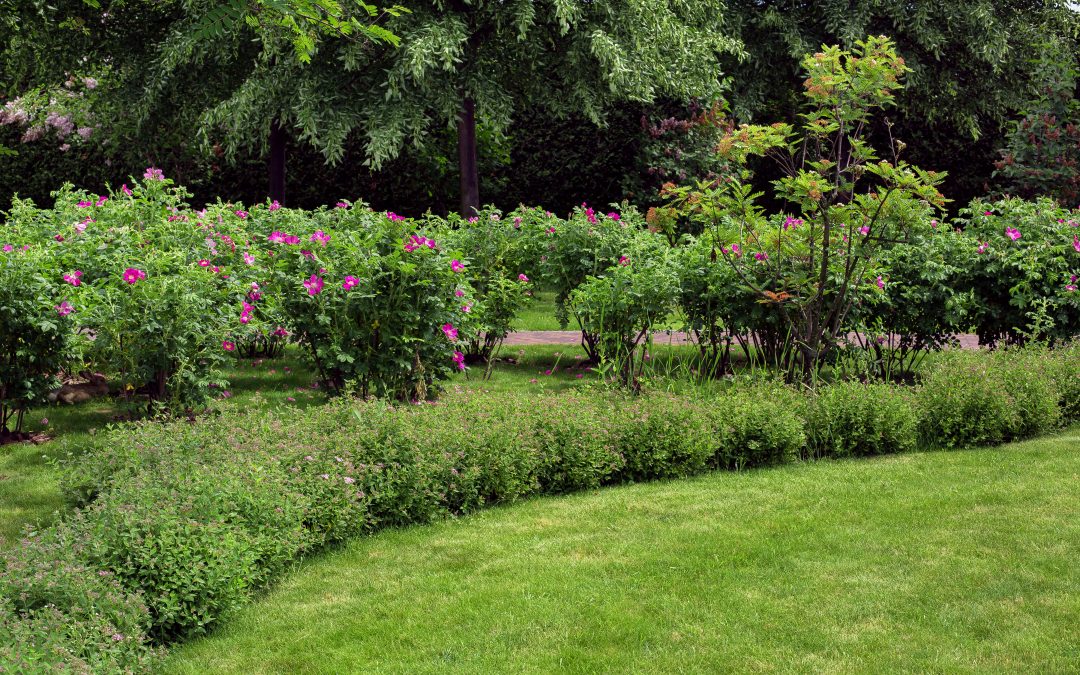
To make the colors of your favorite flowers stand out, plant them with flowers in complementary colors. Yellow flowers often go well with purple or blue ones. For example, the bright yellow Black-Eyed Susans work best with purple cosmos, fuschia globe amaranth, lavender and pink phlox, orange and pink daylilies, or white shasta daisies. Narcissus and daffodils are favorites for spring, while purple irises and vivid pink roses create a stunning combination in late spring and early summer.
Different Heights
For a visually balanced and aesthetically pleasing garden bed, try planting flowers or greenery that grows to different heights. Taller flowers or plants should go in the center of a circular bed or towards the back of a rectangular bed. Mid-height plants come next, with the lower plants or short-stemmed flowers at the front or the outer edges. For example, a beautiful May/June flowerbed might include Amsonia, bearded iris, and peonies towards the back, with low-standing chives and lavender at the front.
If you have a limited outdoor space, and you are using our Urban Gardens, try some creative stacking or elevating. This will allow you to separate plants that need more sunlight at the to, and use them to shield plants that need less sunlight further down.
Vegetable Pairs
For vegetables, the aesthetic factors take a back seat to practicality, pest control, and nutrition. Expert gardeners suggest planting tomatoes with companions like basil, chives, sage, onions, garlic, borage, peppers, or carrots. Borage is especially helpful, since it repels tomato worms. If you’d like a touch of color, try Calendula, marigolds, or nasturtiums. If you’re planting beans, skip the garlic and onions and do celery, cucumbers, radishes, corn, or strawberries nearby instead. Check out some guidelines from MotherEarthNews.com for more information on companion planting with vegetables.
Of course, the key to successful growth in your garden isn’t just careful companion planting; rich soil is a must-have to give your vegetable garden or flowerbeds the right start. On the Kurtz Bros., website, check out our supply of soils, including worm dirt topsoil, bed mix, and container mix. To enrich the soil even further, explore our compost options. If you have any questions about spring or summer planting, or if you need tools or decorative stone, feel free to contact the Kurtz Bros. team anytime, and we’ll be happy to help.