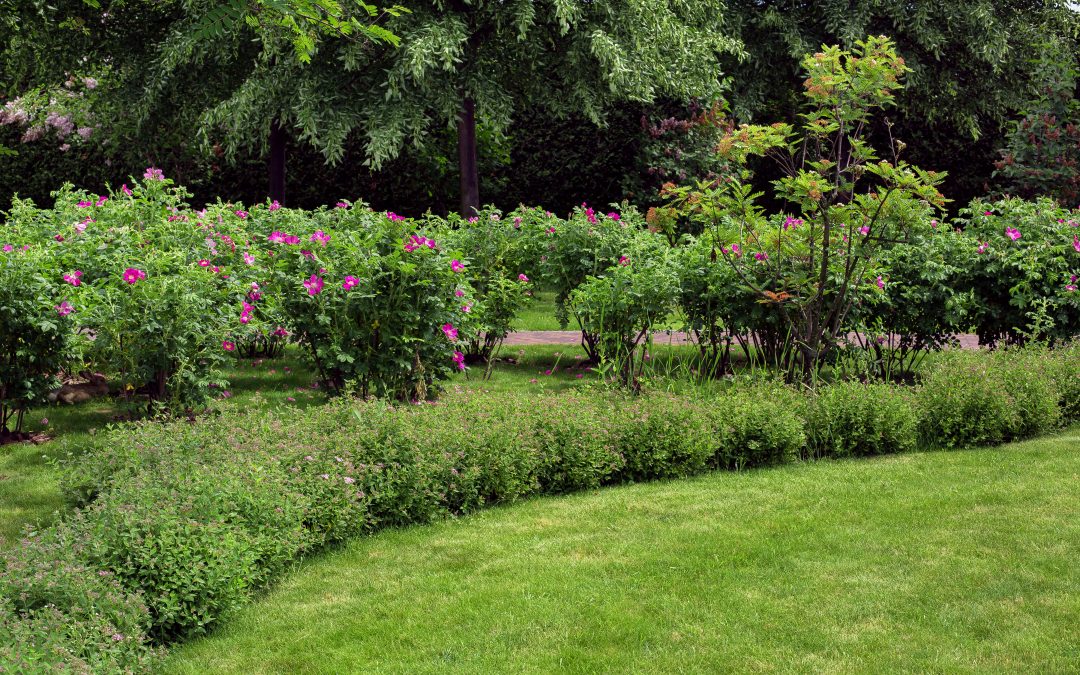

Are you ready to make your garden a winter wonderland? Mulching before winter can be the key. At Kurtz Bros. Landscape Supply, we’ve seen how it changes gardens in Ohio.
We’ve been in the business for over 70 years. Mulching is more than just adding organic material. It protects your garden from frost, improves soil, and keeps pests away. It’s a game-changer for any gardener.
Mulching before winter is a smart choice. It keeps soil moist and controls temperature. We’ll look at how different plants benefit from this protection.
Key Takeaways
- Mulching protects plants from winter frost damage
- It helps maintain soil moisture throughout the cold season
- Winter mulch moderates soil temperature fluctuations
- Proper mulching techniques vary by plant type
- Mulch can deter winter pests and enrich soil
- Timing is key for effective winter mulching
Understanding Winter Mulching and Its Importance
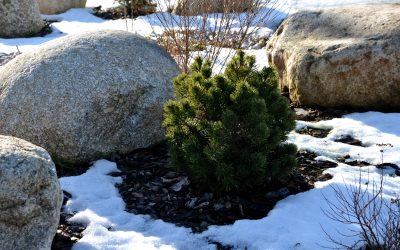
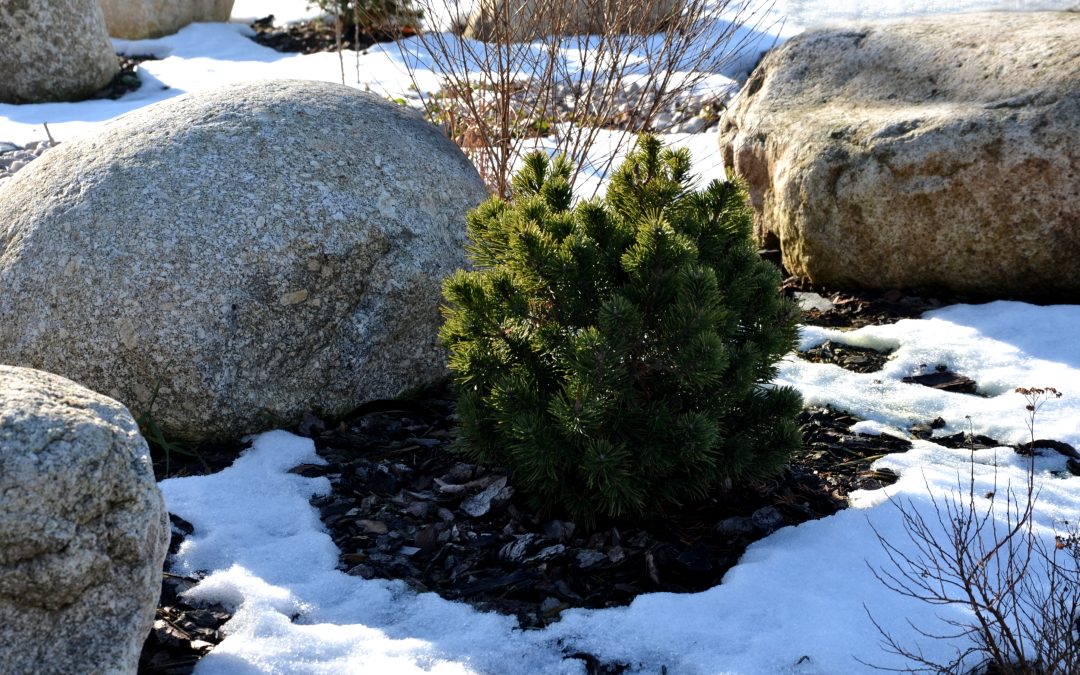
Winter mulching is a key way to protect your garden. We put a layer of material over the soil and around plants before it gets cold. This helps keep the soil warm and stops it from washing away.
It’s very important for plants with shallow roots and those that don’t like the cold.
What is winter mulching?
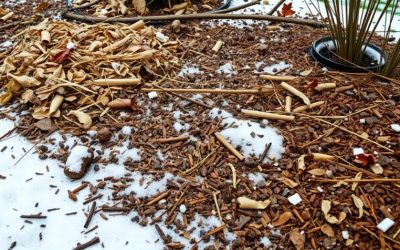
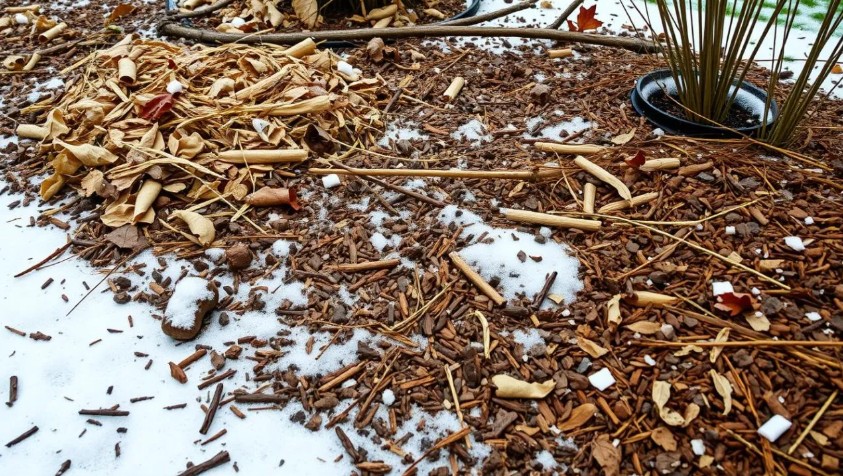
Winter mulching means spreading materials like wood chips, bark mulch, or leaf mulch over your garden beds. This layer acts like a blanket, protecting plant roots from the harsh winter weather. Compost mulch and ground cover are also good choices.
Why mulch before winter?
Mulching before winter is important for many reasons:
- It keeps the soil temperature steady
- It stops soil erosion
- It protects plant roots from frost damage
- It stops weeds from growing
- It makes the soil better as it breaks down
Ideal timing for winter mulching
The best time to mulch for winter is after several hard frosts. By then, plants are ready for the cold, and the ground is frozen.
Mulching too early can stop plants from getting ready for the cold.
For the best protection, use a 2-inch layer of mulch. This thickness is enough to keep things warm without smothering the plants. Make sure to keep the mulch a few inches away from tree trunks to avoid moisture buildup and disease.
Mulch: Types and Application Techniques for Winter Protection
Winter mulching is key for garden care. We’ll look at organic and inorganic mulches, how to apply them, and common mistakes.
Organic Mulch Options for Winter
Organic mulch makes soil better and adds nutrients as it decomposes. Good choices are:
- Straw or hay
- Shredded leaves
- Bark mulch
- Wood chips
- Compost
These materials keep soil moist and control temperature in winter. A 2 to 4-inch layer is best for trees, shrubs, and perennials.
Inorganic Mulch Choices
Inorganic mulch doesn’t improve soil but prevents weeds. You can use:
- Rocks
- Plastic sheeting
Proper Mulch Application Methods
To mulch right:
- Get the soil ready and remove weeds
- Put mulch on after the first hard frost
- Keep mulch 6-12 inches from tree bases
- Leave 3-4 inches around shrubs
- Make a 1-2 inch gap around plant stems
Common Mulching Mistakes to Avoid
Avoid these mistakes:
- Over-mulching
- Choosing the wrong mulch for plants
- Applying it wrong
- Not keeping up with mulch
- Doing it at the wrong time
By avoiding these, you’ll keep your garden safe through winter. This will help it grow well in the spring.
Conclusion
Winter mulching is more than just protecting plants. It’s about building a strong base for your garden’s future. With our advice and quality products, your plants will not only survive but also grow strong, even in the coldest months. Let’s make your garden a success all year round.