
Have you ever wondered why some plants thrive while others struggle? The secret is in the soil. Soil quality is key for successful gardening at home. It affects your plants’ health and how much they produce. But what makes one soil better than another? And how can you use it to make your garden bloom?
This article will show you how soil quality impacts your garden’s success. We’ll discuss the physical, chemical, and biological parts of soil that matter most. Knowing what makes soil good or bad helps you take care of your plants better. We’ll share tips to help your garden grow well.
Key Takeaways:
- Soil quality is a critical determinant of gardening success.
- The physical, chemical, and biological attributes of soil directly affect plant health and productivity.
- Understanding the factors that impact soil quality is essential for enhancing soil fertility.
- By conducting a soil test, incorporating organic matter, practicing proper irrigation, and using mulch, you can optimize soil quality.
- Investing in the health of your soil is crucial for creating a thriving garden.
Understanding Soil Quality
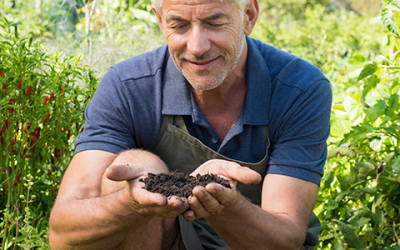
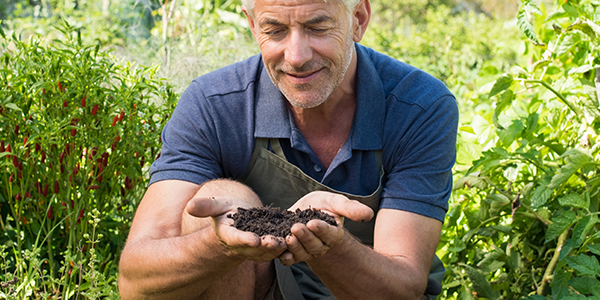
Soil quality is all about how healthy and alive the soil is. It deals with its physical, chemical, and biological parts. Knowing these, we can figure out the soil’s health. This helps us take steps to make it better.
Soil’s texture, structure, and how well it drains are crucial for plant life. Good soil supports root growth, holds water well, and absorbs nutrients. It’s important to check the physical traits of soil for gardening. This allows us to know if the soil needs any changes.
The chemical side of soil quality is about the nutrients, its pH, and the organic parts. Plants need nutrients like nitrogen and phosphorus to grow. A good balance of these nutrients is key to soil fertility. Soil pH and organic content also affect how well plants can get nutrients and water.
The soil’s biological elements are the living things in it, like bacteria and fungi. These tiny creatures help plants get nutrients and improve the soil. They break down old plants, enriching the soil. Knowing about these tiny life forms shows us how alive the soil really is.
Learning about soil’s physical, chemical, and biological sides is key. It helps us grasp the soil’s health. Then, we know what to do to make it even better. Next, we’ll check out ways to boost soil quality for a great garden.
Improving Soil Quality
Improving soil quality is crucial for a healthy, productive garden. By using simple strategies, we made soil richer. This supports plant growth. Here are some tips for better soil:
1. Addition of Organic Matter
Adding organic matter is a key way to improve soil. Use compost, manure, and cover crops. This boosts the soil’s ability to hold water and nutrients. It also makes the soil home to more helpful microbes.
2. Proper Irrigation Practices
Good watering practice keeps soil healthy. Water deeply but not too often. This helps roots grow deeply and plants get stronger. It also stops soil from getting too hard. This means nutrients won’t wash away and plants have what they need to grow.
3. Mulching
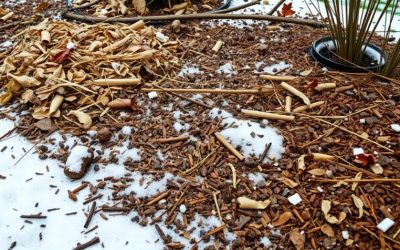
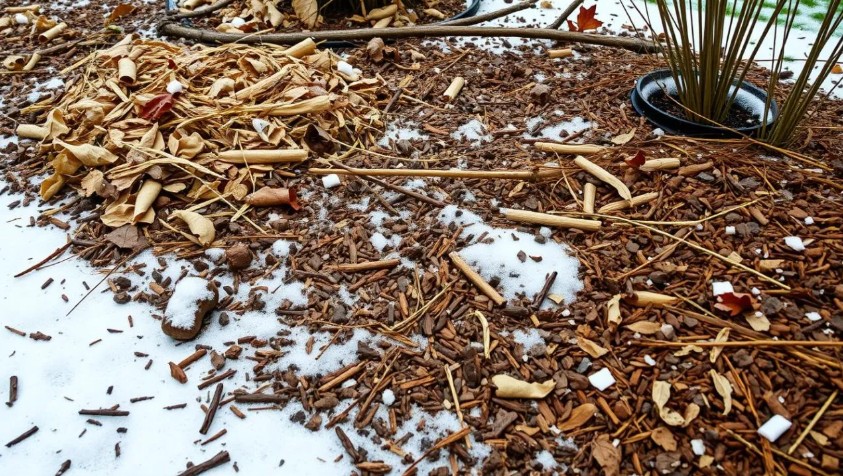
Mulching uses things like straw, wood chips, and leaves. It keeps the soil cool, holds in moisture, and stops weeds. Mulch also adds nutrients to the soil as it breaks down. This keeps the soil fertile over time.
4. Crop Rotation
Changing the plants you grow in an area helps fight pests and diseases. It confuses them because they don’t have the same plant to live on year after year. Rotating crops also helps keep the soil’s nutrients in balance. This feeds a healthy community of microorganisms in the soil.
5. Avoiding Chemical Overuse
Too many chemicals can hurt the soil. They can mess up the balance of good soil bugs and slow down natural processes. Using less chemicals and more natural methods keeps the soil and the garden healthy.
Try these tips to make your garden’s soil better. Good soil is the base for strong, healthy plants. Taking care of your soil means a beautiful, productive garden.
Conclusion
The soil’s quality is key for successful gardening. We must focus on improving soil for a lush, lasting garden. Good soil gives plants what they need, like nutrients and water, helping them grow strong and fight off diseases.
Knowing what affects soil helps us care for it better. Things like the type of soil and how we water can make a big difference. Testing the soil shows us what it needs. Then, we can improve it by adding certain materials and changing how we water. This makes for a better garden.
Taking care of our soil is a smart investment. It does more than just help our plants grow. It also makes our environment nicer, supporting life beyond our garden. Let’s focus on the soil. With the right steps, we can enjoy a garden that flourishes for years.