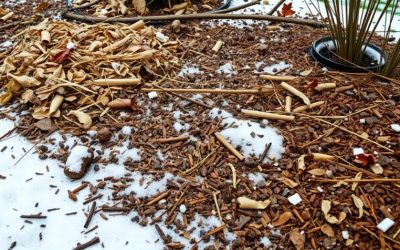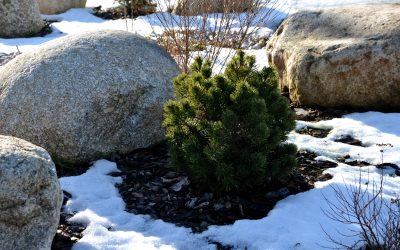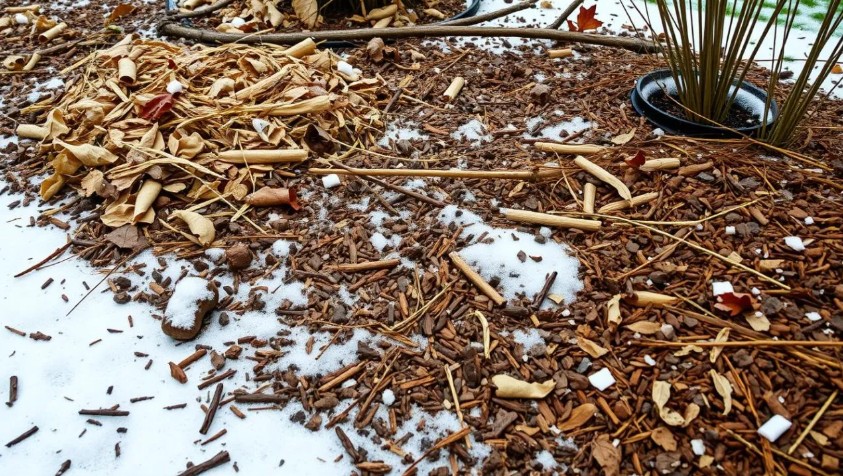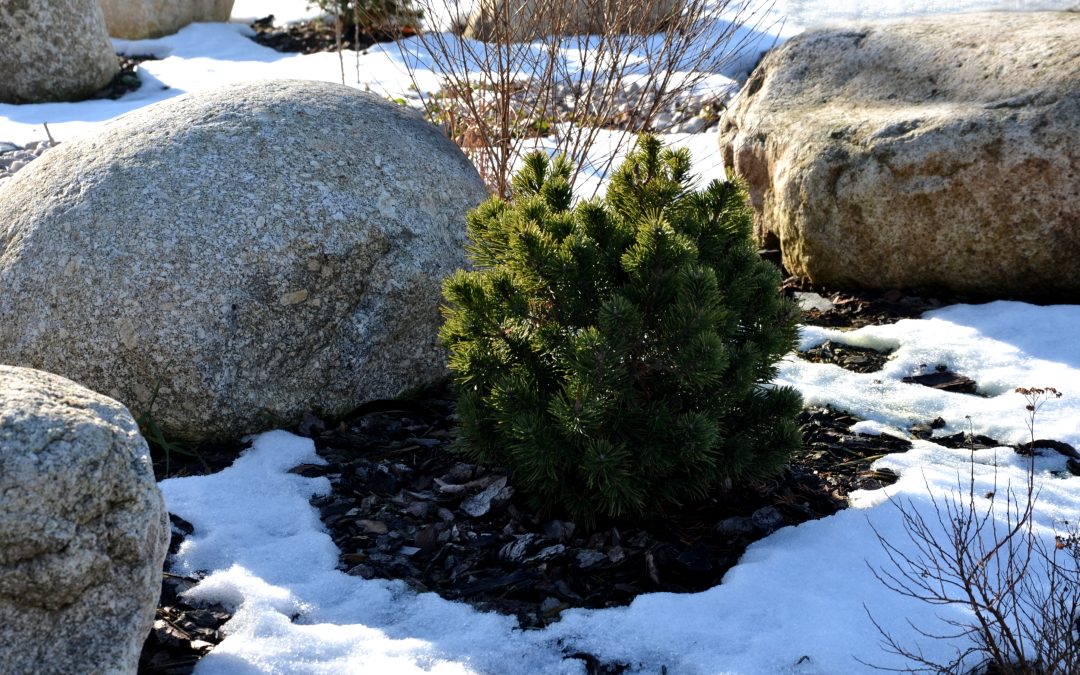

Mulch is key in stopping weeds in your garden or yard. It covers the soil and blocks sunlight. This stops weed seeds from starting and growing.
Mulch does more than stop weeds. It also keeps the soil damp, so you won’t need to water as much. This makes it hard for weed seeds to grow. Plus, mulch adds good stuff to the soil that helps plants grow strong.
To stop weeds with mulch, pick the right type and use it the right way. Knowing how makes your garden a place without weeds.
Key Takeaways:
- Mulch acts as a protective barrier, blocking sunlight and preventing weed seeds from germinating.
- Retaining moisture in the soil reduces the need for watering and discourages weed growth.
- Mulch enriches the soil with organic matter, promoting soil health and plant growth.
- Understanding the different types of mulch and proper application techniques is essential for effective weed prevention.
- Implementing mulch best practices can revolutionize weed control in your garden.
Benefits of Mulching for Weed Prevention
Mulch helps prevent weeds in your garden in many ways. It creates a barrier that stops sunlight from reaching weed seeds. Without light, these seeds can’t sprout and grow.
Mulch also keeps the soil moist by retaining water. This means you won’t have to water as often. Moist soil is bad for weed seeds, making them less likely to grow.
Mulch improves the soil as it breaks down. It adds nutrients and organic matter, which is good for plant growth. Healthy soil is less welcoming to weeds, giving your plants an advantage.
Types of Mulch for Weed Prevention
Choosing the right mulch is key for stopping weeds. Many options exist, each with benefits of its own.
Organic Mulches
Wood chips, bark, compost, grass clippings, and straw are common for fighting weeds. These break down, enriching the soil. They stop weed growth and make your garden look nice.
Inorganic Mulches
Inorganic mulches are for those wanting low upkeep. Gravel, stone, or rubber mulch lasts long and stops weeds. They keep their look and don’t need replacing often.
Living Mulch
Living mulch adds beauty and fights weeds. Ground covers and low plants act as a natural weed barrier. They also invite helpful insects and brighten your garden.
Finding the best mulch for your garden includes considering looks and plant needs. Try various kinds to see what suits your space. Keep your garden healthy by maintaining and refreshing your mulch.
Best Practices for Mulch Application
To keep weeds at bay with mulch, start with good prep work. Clear the area by pulling out weeds. Add compost to boost soil health. This will make the soil better for plants and fight off weeds.
When laying down mulch, do it evenly. You should aim for 2 to 4 inches deep. This stops weed seeds from getting sunlight they need to grow. But, it lets water and air flow to the plant roots.
Don’t pile mulch against plant stems or tree trunks. Too much mulch can keep moisture close and attract bugs. Make sure there’s a gap of a few inches. This helps plants stay healthy and keeps pests away.
And every now and then, add new mulch. Mulch naturally breaks down over time. By adding more, you keep up the protective layer. This ensures the best weed fighting action from your mulch.