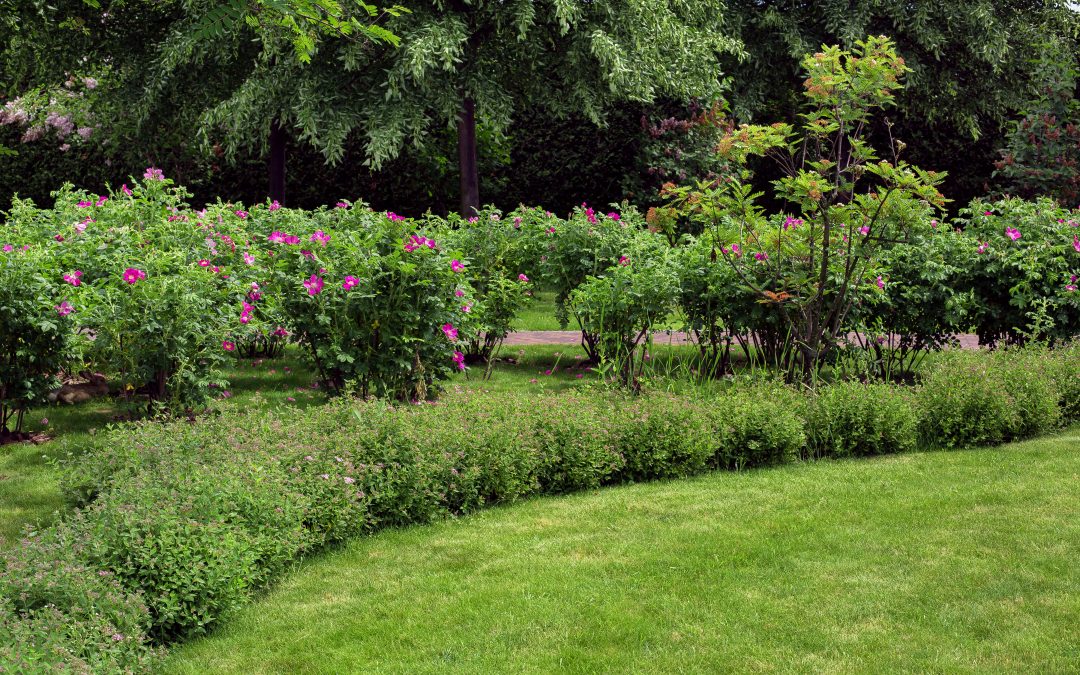

Mulching is key for gardeners and landscapers. It brings many benefits and makes outdoor areas look better. Mulch keeps soil moist, stops weeds, insulates, feeds nutrients, and halts erosion.
There are several kinds of mulch for different jobs. Organic mulches, such as bark and wood chips, break down, adding food to the soil. Inorganic types, like rocks, block weeds and last long as decoration. Living mulch, like creeping thyme, is both pretty and useful by cutting down on weeds.
Mulching right means a few steps. Prepare the soil by getting rid of weeds and trash. Choose the best depth for the layer. Make sure to cover the whole area. Keep the mulch fresh by adding more when needed.
Key Takeaways:
- Mulching has many upsides, from keeping moisture in to fighting weeds, insulating, adding nutrients, and preventing soil loss.
- There are three main mulch types—organic, inorganic, and living, each good for different things.
- To mulch well, start with clean soil, choose the right depth, and cover everything fully.
- Keep your mulch maintained for ongoing benefits.
- Pick the most suitable mulch and use the best methods for a great garden or landscape.
The Importance of Mulching
Mulching keeps gardens and landscapes healthy. It does more than make things look good. It’s key for plant health.
Mulch keeps the soil moist in hot, dry times. This keeps plants from drying out. They always get the water they need.
It also stops weeds from growing. Mulch makes a barrier, cutting down on weeding. This means less work for us in the garden.
Mulch helps the soil keep an even temperature too. It stops roots from getting too hot or too cold. This helps plants deal with the changing weather.
Types like shredded bark break down over time. They add nutrients to the soil. This is great for the plants, helping them grow strong.
Mulch is important for stopping soil erosion. Without it, heavy rain or wind can ruin our gardens. Mulch keeps the soil where it should be.
Knowing how important mulch is helps our gardens and yards thrive. Next, we’ll look at different mulch types and how to use them well.
Types of Mulch and Practical Tips for Effective Mulching
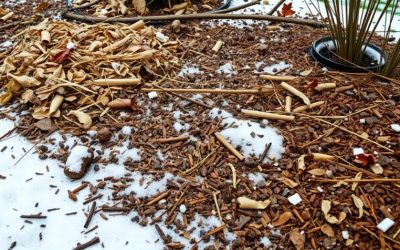
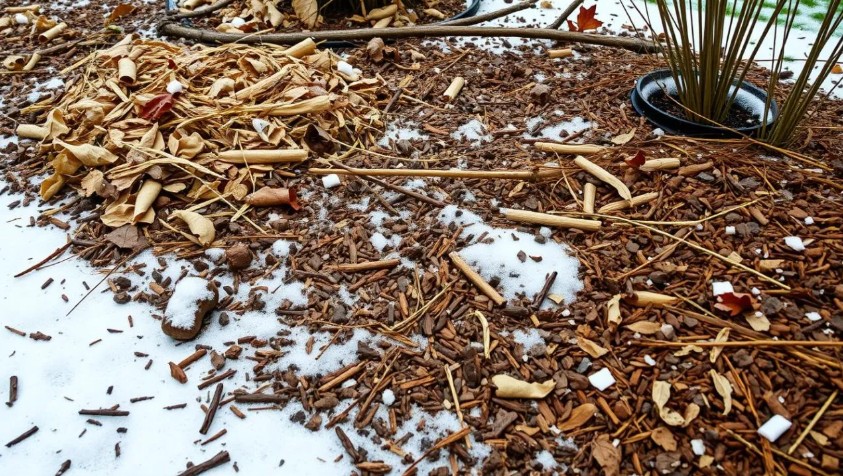
There are many mulching options, each with its own benefits. Organic mulch, like wood chips and leaves, makes your garden look good. It also helps the soil and your plants grow strong.
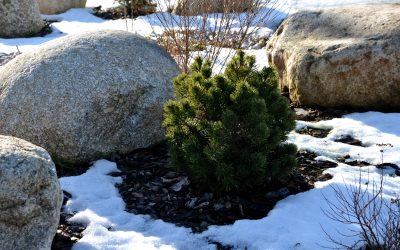
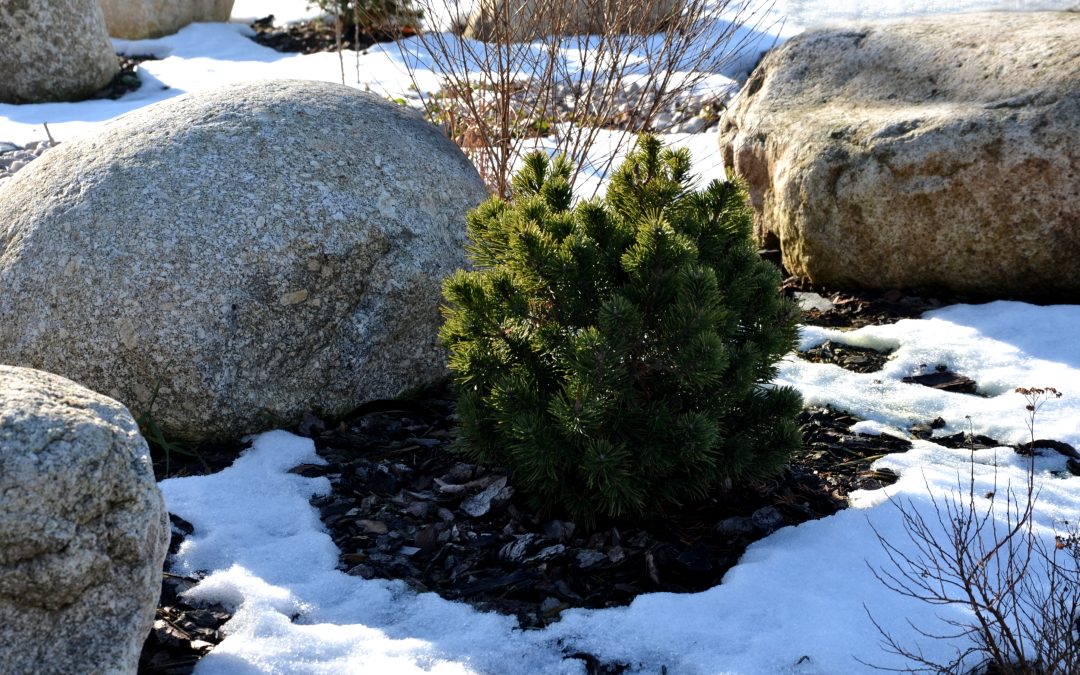
Inorganic mulch, such as rocks and rubber chips, is great for stopping weeds. It also lasts a long time, making your yard more beautiful.
Living mulch is another choice. It uses plants like creeping thyme. These plants do the work of regular mulch but look pretty too. They cover the ground like a living carpet, keeping your soil healthy and adding beauty.
Getting ready before mulching is important. Clear the soil of weeds first. Make sure your plants have enough water. The best mulch layer is 2 to 4 inches. Don’t put the mulch right against your plants. Spread it out well. This keeps the weeds away and helps hold moisture.
Keep your mulch in good shape by taking care of it. Add more mulch each year to keep it working well. By doing these things and picking the right mulch, your garden can be amazing all year long.