
Are your plants looking dull? Is your harvest not as good as you hoped? The key to a beautiful, flourishing garden can often be found in the soil. But what’s needed to keep topsoil healthy all year? We’re here to guide you.
Keeping your topsoil in great shape is ongoing work that leads to a successful garden. Several easy steps can turn your soil into a perfect home for plants. This not only helps your garden grow, but it boosts your harvest too. Let’s dive into essential tips for maintaining topsoil. With these, your garden will be a lush paradise.
Key Takeaways:
- Healthy topsoil is crucial for a thriving garden all year long.
- Maintaining soil rich in nutrients and conducive to plant growth is achievable with simple practices.
- Regular topsoil maintenance leads to vibrant, nutrient-rich soil.
- Investing in your soil’s health now will pay off in bountiful harvests and thriving plants.
- Stay tuned to discover expert tips and techniques for topsoil maintenance.
The Importance of Organic Matter in Soil Health
Organic matter is vital for good soil quality. This is crucial for a fruitful garden. Adding it to your soil boosts fertility and health.
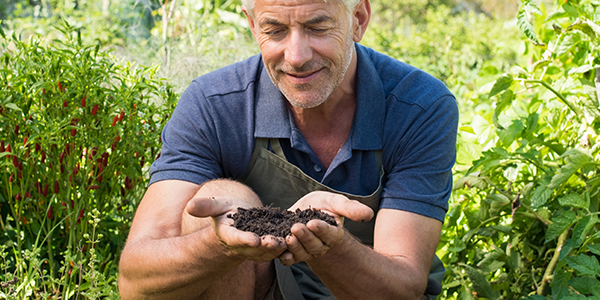
What is organic matter, exactly? It’s any decaying plant or animal part enriching the soil. Compost is a top choice for adding nutrients and improving soil.
One big perk of organic matter is it enriches the soil. It releases nutrients like nitrogen, phosphorus, and potassium as it breaks down. Plants get these nutrients slowly, helping them grow well.
Organic matter also makes the soil better for plants in other ways. It improves texture, making it easier for roots to spread and for air and water to move.
This helps the soil hold moisture and drain water, both important for plant health.
Organic matter even helps good microorganisms thrive in the soil. They break down more organic material, giving plants extra nutrients. This helps keep the soil and the plants in it healthy.
Composting is a top way to get this organic matter into your garden. You can make your own compost, or buy it from stores. This means you’re helping the environment by reusing waste and growing plants better.
In short, organic matter is essential for soil health. It gives plants what they need, improves soil structure, and supports good microbes. By adding organic matter, you make the soil fertile. This creates the best space for plants to flourish.
Understanding and Improving Different Types of Soil
Gardeners deal with various soils like clay and sandy types. Clay soil is dense and doesn’t let air or water through. In contrast, sandy soil is too quick to drain and often lacks nutrients. Luckily, there are ways to make these soils better for plants.
Dealing with clay soil means adding organic matter is a must. This boosts the soil’s structure, making it more open. You can use compost to loosen the soil. This way, air and water can get through easier. Such efforts lead to healthier soil, helping plants grow stronger.
When it comes to sandy soil, organic matter is still very helpful. It makes the soil retain water better, avoiding fast drainage. Adding compost to sandy soil holds moisture longer, which is great for plants. It also boosts nutrient levels in the soil. This feeds plants, supporting their healthy growth.
Tips for Maintaining Healthy Topsoil
Keeping your garden’s topsoil rich is key for your plants’ long-term health. Practices like testing the soil can help keep it fertile all year.
Soil testing is crucial. It tells you what nutrients and pH your soil needs. This knowledge lets you choose the right fertilizers. So, your plants get the exact nutrients they require.
Crop rotation is also great for topsoil health. Switching crops prevents soil from losing its nutrients. It also fights plant diseases. And, it makes it harder for pests and weeds to stick around.
Mulching helps a lot too. Covering the soil with things like wood chips saves it from heavy rain. It also keeps it moist, meaning you water less. Mulch stops weed growth, protecting your plants’ food and the soil’s structure.
Finally, cut back on chemical use. Use natural ways to fight pests and weeds. Chemicals can hurt the good things living in your soil. Natural methods keep your garden’s ecosystem strong.