
When planning your winter landscaping, choosing between topsoil and compost can be challenging. Topsoil is best for creating a solid foundation for grass and plants, while compost enriches the soil with nutrients. Understanding the differences between these two materials can help you make the right decision for your garden.
Topsoil provides the essential base for your lawn and plants, making it crucial for proper growth. On the other hand, compost acts as a natural fertilizer, improving soil structure and supporting healthy plant life. Knowing when to use each can enhance your landscaping efforts during the cold months.
As temperatures drop, it’s important to consider what your garden needs. Whether you aim to nourish your existing plants or prepare new areas for growth, one of these options will meet your goals effectively.
Key Takeaways
- Topsoil is ideal for establishing a strong base for your landscaping.
- Compost offers vital nutrients to improve soil health during winter.
- Choosing the right material depends on your winter gardening goals.
Defining Topsoil and Compost
Topsoil and compost play important roles in landscaping. Understanding their characteristics and uses helps you choose the right material for your winter landscaping needs.
Topsoil: Characteristics, Composition, and Common Uses
Topsoil is the uppermost layer of soil, rich in nutrients and organic matter. It typically consists of sand, silt, and clay, with varying amounts of organic material. High-quality topsoil is dark in color and has a good structure, which aids in drainage and promotes healthy plant growth.
You may find topsoil containing weed seeds, which can affect your garden. To ensure the best results, choose screened topsoil that minimizes these risks. Common uses include filling in holes, creating garden beds, and improving poor soil conditions. Proper pH levels are essential for optimal plant growth, and topsoil can help adjust these levels.
Compost: Definition, Nutrient Profile, and Organic Matter Benefits
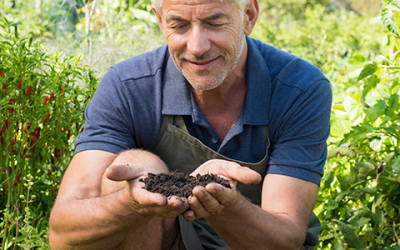
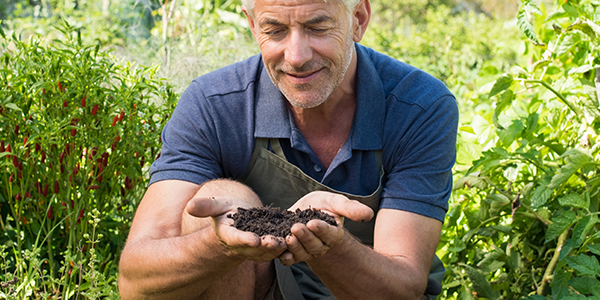
Compost is made from decayed organic matter, such as kitchen scraps and yard waste. It enriches the soil by adding beneficial microorganisms and improving soil structure. The nutrient profile of compost includes nitrogen, phosphorus, and potassium, essential for plant health.
Composting helps retain moisture, reduce soil erosion, and enhance soil texture. It introduces beneficial organic matter that improves aeration and drainage in heavy clay soil. Using compost in your landscaping not only boosts plant growth but also promotes a sustainable environment by recycling waste materials.
When to Use Topsoil in Winter
Topsoil can be useful in winter for certain gardening tasks. Knowing when to apply it can help improve your landscape for the spring.
Soil Leveling: Addressing Uneven Ground Before Winter
If your yard has uneven spots, using topsoil in winter can help. Pouring a layer of topsoil over low areas makes the ground level. This helps prevent water from pooling, which can damage plants.
When leveling, ensure that the topsoil is spread evenly. You can use a rake to smooth it out. This will also encourage better moisture absorption. With even ground, snow and rain can penetrate the soil well. This allows roots to take in moisture easily when spring arrives.
Base for Planting: Preparing a Foundation for New Growth in Spring
If you plan to start a new garden bed or lawn in spring, adding topsoil now is a smart move. This topsoil acts as a foundation for planting seeds and young plants. It enhances soil quality and promotes root penetration.
For a vegetable garden or new lawn, mix topsoil with compost for better nutrients. This blend ensures that soil has the right balance of moisture and air. The improved structure supports seed growth and helps young plants establish strong roots.
Using topsoil in winter sets up your garden beds for success when warmer weather comes.
When to Use Compost in Winter
Using compost in winter can greatly improve your garden’s health. It provides nutrients and supports beneficial organisms, helping your plants thrive even when they are dormant. Here’s how to make the most of compost during the colder months.
Enriching Soil: Adding Nutrients for Long-Term Health
In winter, applying compost enriches your soil with nutrients. It contains organic matter and supports the slow release of nitrogen and other essential elements. By adding compost to your garden beds, you improve soil structure, which helps with water retention and drainage.
You can mix compost into the top few inches of soil. This allows the nutrients to start breaking down and becoming available for plants when spring arrives. Using compost as a mulch also helps, as it protects the soil and keeps it warm. Over time, it turns into humus, further enriching the soil and promoting healthy plant growth.
Boosting Microbial Life: Encouraging Beneficial Organisms During Dormant Periods
Compost supports microbial activity even in winter. Beneficial microorganisms thrive on the organic materials in compost, which helps with decomposition. Healthy microbes can break down materials and make nutrients available for plants.
You can apply compost tea, a liquid version of compost, to enhance this effect. It helps introduce these microorganisms directly into the soil. Additionally, adding compost can attract earthworms, which aerate the soil and improve its structure. This increases moisture retention and provides a better environment for plant roots when they start growing again in spring.
Key Differences and How to Decide
When choosing between topsoil and compost for winter landscaping, consider their nutrient content, texture, and specific uses. The right choice can improve your soil fertility and support your plants through the colder months.
Compare Nutrient Content, Texture, and Applications
Topsoil primarily contains minerals and organic matter from the surface of the earth. It is useful for building up planting beds and improving soil quality. While it may have some nutrients, topsoil often lacks the rich microbial life found in compost.
Compost, on the other hand, is created from decomposed organic materials. It is rich in nutrients like nitrogen, phosphorus, and potassium. This makes compost an excellent soil amendment that helps fix nutrient deficiencies, revitalizing your garden.
Texture is another important factor. Topsoil may be gritty or sandy, while compost has a crumbly texture that improves drainage and aeration. Using both can enhance your garden’s health when applied in the right amounts.
Discuss Scenarios Where a Combination of Both May Be Ideal
In some cases, using both topsoil and compost can yield the best results. For example, if you’re starting a new garden bed, mixing compost with topsoil can provide a nutrient-rich base. This combination increases soil fertility and supports plant growth.
Also, if your soil test shows nutrient deficiencies, adding compost can help address these issues. It enhances nutrient levels while topsoil can structure the base.
Using them together can also help improve soil quality in areas with poor drainage. Mixing the two allows moisture retention while preventing compaction. This combination can be perfect if you want healthy plants that thrive through the winter months.
Conclusion
When choosing between topsoil and compost for winter landscaping, consider your specific planting goals and local conditions. Both options have unique benefits that can enhance your gardening project.
Provide a Decision Framework Based on Specific Landscaping Goals
To make the best choice, think about your landscaping goals. If you plan to enrich your soil, compost is a great option. It improves soil structure and adds nutrients. Compost is especially useful if you’re into gardening tasks like raised beds or container gardening.
On the other hand, if you need a simple way to level garden beds or fill in low spots, topsoil might be the better choice. It offers a good base layer for new plants. Consider your environmental impact too. Compost is more eco-friendly as it recycles organic waste, while topsoil mining can harm ecosystems. Assess your specific needs to choose wisely.
Suggest Consulting Local Suppliers for Tailored Solutions
When planning your gardening projects, consulting with local suppliers like us at Kurtz Bros. can make all the difference. We’re here to provide tailored solutions based on Ohio’s unique soil conditions and climate. Our expertise helps ensure you get the right products for your specific needs.
For example, we can guide you on choosing the best type of compost or topsoil for your area. Our recommendations are based on decades of experience with Ohio landscapes. We also prioritize sustainability, offering eco-friendly materials that support a healthy environment.
At Kurtz Bros., we’re more than a supplier—we’re your partner in achieving a thriving landscape year-round. Don’t hesitate to reach out for expert advice. Together, we can ensure your garden stays healthy through the winter and beyond.