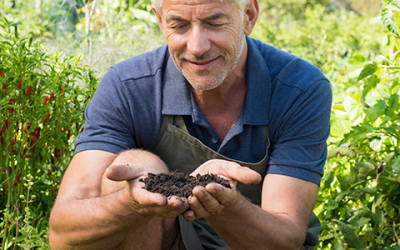
Want to create a better growth environment for the plants in your landscape? You can start by going to the root of the matter and understanding different soil types. The primary components of soil include silt, sand, and clay. The very best soils have balanced amounts of each component. The sandy parts allow for better drainage, while the clay holds the soil together, and the silt provides extra nutrients.
Unless you’ve purchased the perfect mix of rich loam from Kurtz Bros., it’s likely that your soil in your backyard, front yard, or garden has a larger portion of one of those three components. Knowing the soil type you have is key to creating a healthy environment for vegetables, flowers, or other plants to thrive.
Sandy Soil
Sandy soil, as the name implies, has a higher percentage of sand than silt and clay. This means that water tends to drain quickly and completely from the soil. A lack of drainage can result in water pooling around the plants, causing an excess of moisture and potential rot and mold. But too much sand results in rapid draining of the water, so the plants don’t have time to get their fill.
Sandy soils are considered less fertile than other soil types, but they do thaw and warm swiftly in the spring. Plus, this type of soil is lighter and easier to dig through. Try vegetables with deep roots, such as parsnips, potatoes, and carrots, as well as strawberries, peppers, corn, lettuce, and squash. For florals, try Russian sage, sedum, larkspur, phlox, butterfly weed, lavender, black-eyed Susans, and salvia.
Silty Soil
Soft, rich, and thick, silty soil tends to be packed with nutrients for plants. Silty soil can be delightful for gardening, but it sometimes has drainage issues, and it tends to be quite dense. You’ll need to make sure that you enact proper stormwater management and provide some structure for the garden beds.
If you’ve got silty soil, you can work with climbers and perennials, as well as trees like dogwood, cypress, birch, and willow. Roses, bulb flowers, and ferns also do well in silty soil, as do many different types of vegetables and fruit trees.
Clay Soil
Like silty soil, clay soil holds water well—almost too well. Clay soil can be very thick when it’s wet, but when it’s dry, it turns extremely hard. It’s tough to keep clay soil properly aerated. If you can manage to keep the clay adequately drained and incorporate enough air spaces between the particles, you can grow plenty of different vegetables and flowers. Mixing some sand or mulch into the garden beds may help with aeration. Try summer vegetables like beans, carrots, and beets, You could also grow fruit trees, ornamental shrubs, or rice.
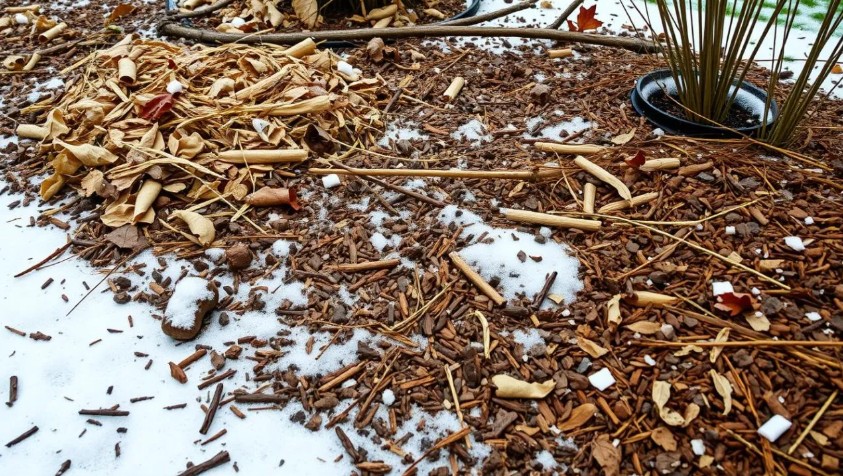
No matter what the condition of your soil may currently be, Kurtz Bros. has what you need to improve it. There’s compost if the soil needs enrichment, mulch for protecting your plants and trees, and a variety of soil mixes including all-weather planting mix, all-purpose topsoil, and our professional blend lawn and garden mix. We can also make you a custom soil blend! Order online or call today if you have any questions about enhancing your landscape’s soil.