Gardening is an excellent hobby, especially if you’d like to grow your own food. Before you go out and buy all the necessary supplies to build a raised bed, the first thing you should take time to understand are zone maps for gardening. The most important map for growing fruits and vegetable in the U.S. is the USDA Hardiness Zone Map. Discover what that entails, how to identifying your zone, and more!
What is the USDA Hardiness Zone Map?
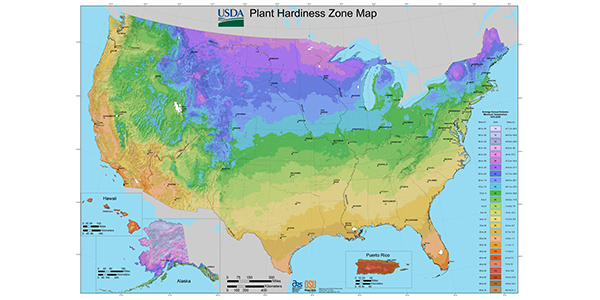
Beyond nutrient-rich soil, sunlight, and water, plants need diverse conditions for them to grow properly and produce fruit. These conditions can include humidity levels, temperatures, sunlight intensity, and more. Fortunately, we don’t have to be experts in climate to understand what conditions are optimal for plants in our area. The USDA developed a hardiness zone map that is divided into 13 zones to help determine which plants can survive and thrive. Click here to better understand your zone and what you can grow in your region.
In the map, each zone is assigned a color and is categorized by the numbers 1-13. Zone 1 indicates cooler seasonal temperatures while Zone 13 indicates warmer temperature. Furthermore, each zone can have slight temperature variations and will have an additional label of A or B. A is designated for cooler ranges in that zone and B is designated for warmer. For example, you can live in the warmest plant hardiness zone in the USA and it is categorized as Zone 13B. The coolest plant hardiness zone, on the other hand, is categorized as Zone 1A.
Finding Your Zone Map for Gardening
All you need is your zip code to find your specific hardiness zone. Just input the numbers in the USDA Hardiness map, and it will identify your zone. For example, Cleveland, Ohio is located in Zone 6B. Once you learn what zone you are in, you can use that information to find what plants will grow well in your area during what season. Zone 6B vegetable planting typically runs from mid-March after the last frost through mid-November. But, it is important to note that each plant has specific time frames within the growing season. That is why pumpkins are most often associated with the fall and fresh green beans with the spring. To learn more about these specific time frames, research the fruit or vegetable you plan to grow in your hardiness zone and plan accordingly.
Now What?
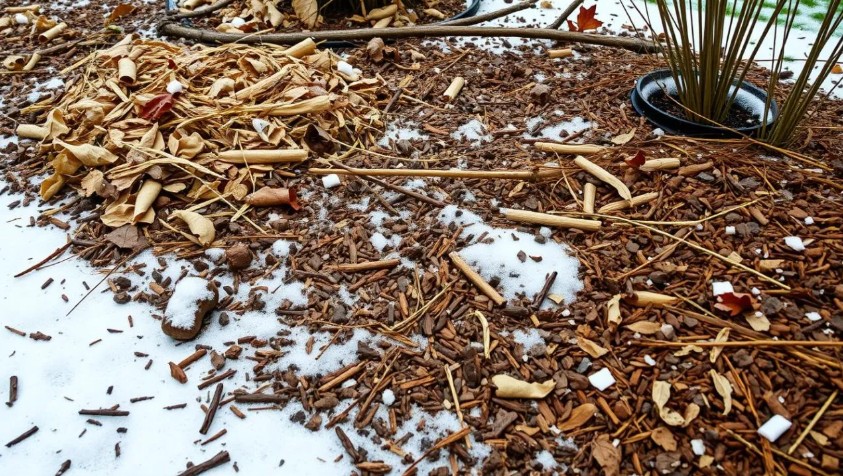
Once you find that you are in the right zone for a given plant, you will need to know how to give your plant the best care. First, you should map where you will be growing your plants and ensure that you have nutrient-rich soil. Consider creating a blend of topsoil and compost and purchasing straw to curtail weeds. Just be sure to layer the straw lightly around your seedlings to avoid stifling their growth. You can even try applying some permaculture practices in your vegetable garden like companion planting or employing integrated pest management to set your garden up for success.
Enhance Your Soil with Kurtz Bros.,
To purchase organic materials to help fortify your soil and strengthen plant health, Kurtz Bros., has it all! Contact us today. Our associates would be happy to assist you.