
Winter can be tough on gardens, especially in Ohio. Many gardeners wonder what they can do to protect their plants during the colder months. Using mulch and topsoil is essential for maintaining a healthy garden through winter, as they provide insulation and nutrients to the soil.
Mulch acts as a shield against the harsh weather and helps regulate soil temperature. It also retains moisture, preventing the plants from drying out. Adding topsoil enriches the ground, giving plants essential nutrients they need once spring arrives.
By preparing your garden with these materials before winter hits, you create a strong foundation for growth. It makes a significant difference in how well plants survive the cold and thrive when warmer weather comes back.
Key Takeaways
- Mulch helps insulate plants and retain soil moisture.
- Topsoil enriches the garden soil with essential nutrients.
- Proper winter preparation ensures a healthier garden in spring.
Benefits of Mulching in Winter
Mulching in winter provides essential protection for gardens. It supports plant health by offering insulation, conserving moisture, and preventing erosion. These factors are crucial for maintaining a thriving garden through the cold months.
Insulation
Mulch acts as a blanket for garden beds during winter. It keeps the soil temperature stable, protecting roots from freezing temperatures. Organic mulches like shredded leaves, wood chips, and straw can be especially effective.
These materials trap heat in the soil, reducing the risk of frost damage. With mulch, plants are less subject to the extreme fluctuations of cold and warm spells. This insulation helps to prevent frost heaving, where soil expands and contracts, disrupting roots.
Moisture Retention
Mulch plays an important role in moisture retention during winter. It slows down evaporation of water from the soil, ensuring that roots have access to needed moisture.
Inorganic options like shredded bark can also help trap moisture effectively. Covering the soil with mulch is especially critical when rainfall is scarce. This extra protection allows plants to maintain better hydration, which is vital for their health.
Erosion Prevention
Winter weather can lead to soil erosion, especially with melting snow and heavy rains. Mulch helps hold the soil in place, reducing the chances of erosion occurring. A layer of mulch can absorb some of the impact of falling rain and snowmelt.
Using materials like pine needles or evergreen boughs creates a barrier that helps stabilize the soil. By adding mulch, gardeners can protect their plants and preserve the quality of their soil. This suitable measure directly supports the overall health of the garden.
Advantages of Adding Topsoil Before Winter
Adding topsoil before winter offers gardeners in Ohio several key benefits. This practice helps enrich the soil and improve its overall structure, which can support plant health through the colder months.
Nutrient Enrichment
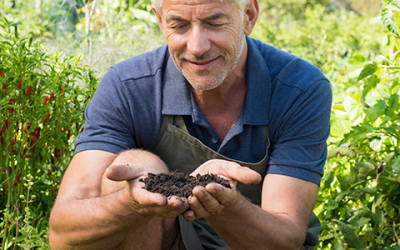
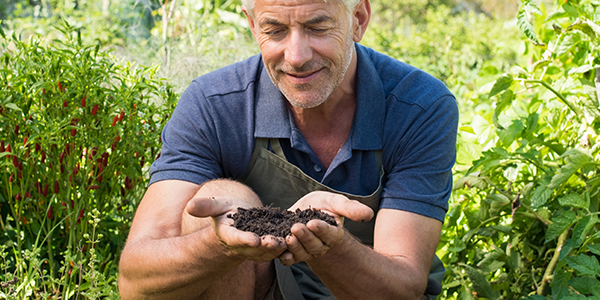
Topsoil is rich in essential nutrients. By adding it to the garden, gardeners introduce nutrients that plants need to thrive. This includes nitrogen, phosphorus, and potassium, which are crucial for plant growth.
In winter, the nutrient-rich topsoil can slowly release these elements, even as temperatures drop. Microorganisms in the soil, along with earthworms, help break down organic matter found in topsoil, enhancing nutrient availability.
Adding compost to the topsoil boosts its nutrient content even further. This combination creates a healthy environment for plant roots, promoting better growth when spring arrives.
Improved Soil Structure
Improving soil structure is another important advantage of adding topsoil. It acts as a natural amendment, helping to create a balanced environment. This means better air circulation and improved drainage during winter.
Good soil structure prevents compaction, which can occur due to freezing and thawing cycles. Topsoil helps maintain an ideal soil temperature, reducing the risk of frost damage to roots.
This enhanced structure also allows earthworms to thrive, which aids in aerating the soil. Well-aerated soil encourages healthy root development as plants prepare for the next growing season.
Best Practices for Application
Applying mulch and topsoil effectively is crucial for garden health during winter. Proper timing and techniques can enhance the benefits for garden beds, especially for vegetable gardens and tender plants.
Timing
The best time to apply mulch and topsoil is in late fall. This timing allows for insulation before the cold winter months set in. For those in Ohio, aim for late November to early December.
Before the ground freezes, prepare garden beds by clearing debris and weeds. This helps to prevent pests and diseases. If using topsoil, ensure it is spread evenly to improve soil structure. A layer of 2 to 4 inches of mulch on flower beds and around perennial plants will provide insulation and protect roots from extreme temperatures.
Application Techniques
For effective application, start with a clean garden bed. Remove old mulch and debris to prevent rot. Then, evenly distribute the soil before adding mulch on top.
In vegetable gardens, use a bark mulch or organic option that decomposes, enriching the soil over time. When applying, maintain a gap around plant stems to prevent excess moisture.
Using a rake helps to spread the materials evenly. Check that the mulch layer is not too thick. A thickness of 2 to 3 inches promotes healthy growth and prevents weed formation. Properly applied mulch and topsoil support winter garden care by retaining moisture and providing vital nutrients to the soil.
Conclusion
Mulch and topsoil play key roles in winter garden care in Ohio. They protect plants from harsh weather and help maintain soil health.
Benefits of Mulch:
- Insulates Soil: Keeps soil temperature steady.
- Retains Moisture: Reduces water loss from the soil.
- Weeds Control: Minimizes weed growth during the colder months.
Advantages of Topsoil:
- Nutrient Supply: Adds essential nutrients to the soil.
- Soil Structure Improvement: Enhances drainage and aeration.
- Supports Microbial Life: A healthy ecosystem promotes plant growth.
Taking time to apply mulch and topsoil before winter can lead to a stronger garden in spring. This simple practice not only safeguards plants but also improves the overall health of the soil.
Using quality products from trusted sources makes a significant difference. Investing in mulch and topsoil ensures a thriving garden for the upcoming seasons.