
Ever wonder why garden mulch is so important? It does more than just look good. Mulch helps soil stay healthy and creates the best home for plants. This prompts the best growth. So, what’s the big deal about mulch?
Mulch is often seen as a simple layer on the ground. But, it’s a powerful protector, keeping soil safe. This maintenance means plants can grow strong and healthy.
- Mulch reduces soil evaporation, conserving moisture and ensuring plants have a constant water supply.
- It controls soil temperature, keeping it cool in the summer and warm during the colder months.
- Mulch suppresses weed growth, reducing the need for manual weeding and sparing your plants from competition for nutrients and sunlight.
- The use of mulch improves microbial activities in the soil, creating a healthier ecosystem for beneficial organisms that enhance plant growth.
- It also enhances the nutrient status of the soil, providing vital elements that plants need to stay healthy and productive.
- Mulch prevents erosion losses, protecting the soil from heavy rain and wind that can wash away valuable topsoil and expose plant roots.
- Furthermore, mulch enhances the aesthetic value of landscapes, adding visual appeal to gardens and creating a more inviting outdoor environment.
There are a few types of mulch. You’ve got organic, like straw or compost. And then, there’s synthetic mulch, which can be plastic. Each serves its own purpose well.
For anyone who cares about their garden, mulch is key. Knowing what type to use can truly boost your plants’ health and life.
Key Takeaways:
- Mulch is essential for healthy plant growth as it conserves moisture, controls soil temperature, suppresses weed growth, improves microbial activities, enhances nutrient status, and prevents erosion losses.
- There are different types of mulch available, including organic and synthetic options, each with its own set of benefits.
- Choosing the right type of mulch for your garden is crucial for maximizing its benefits and promoting healthy plant growth.
How Mulch Works to Promote Healthy Plants
Mulch is great for keeping plants healthy. It stops weeds from growing, making your garden easy to care for. This means less time on your knees pulling weeds.
It also keeps the soil moist. By covering the soil, mulch stops water from evaporating. This is very helpful when it’s not raining, saving water and helping roots grow strong.
Mulch stops the soil from washing away in the rain. It protects the ground, keeping your garden’s foundation strong. This way, your plants always have the nutrients they need to grow.
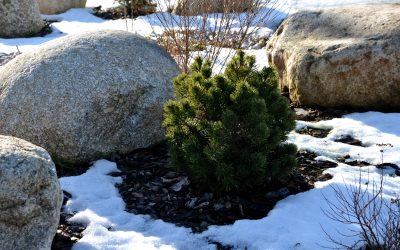
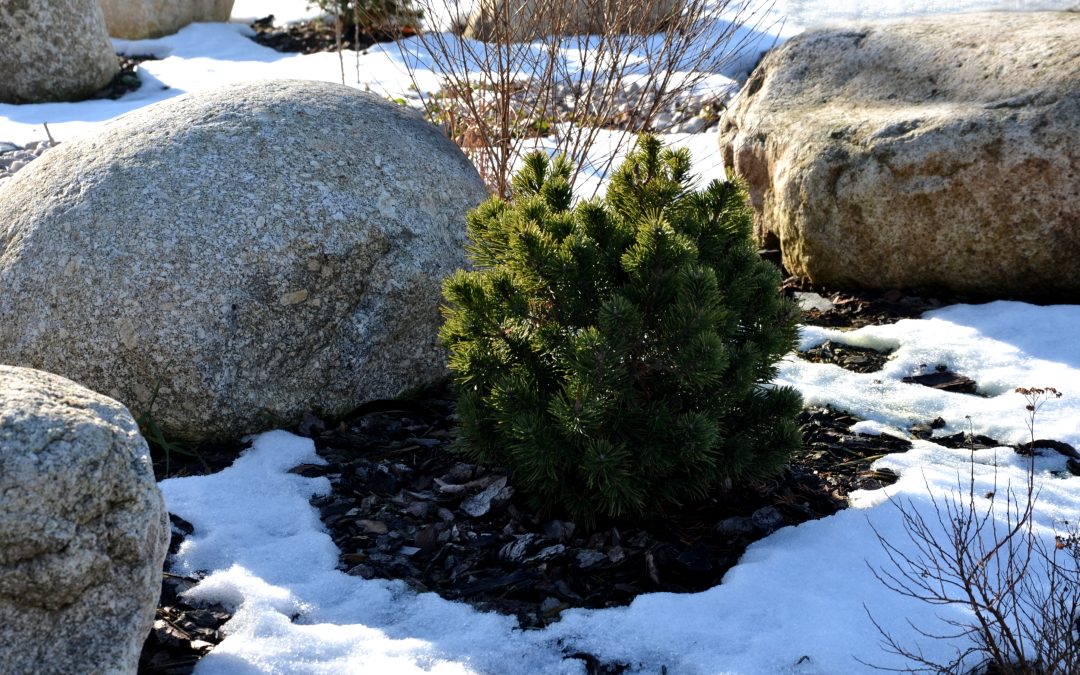
In the summer, mulch keeps the soil cool. And in winter, it keeps it warm. This helps plants do their best, no matter the season. Plus, it protects their roots from extreme temperatures.
As mulch breaks down, it adds nutrients to the soil. This makes the soil better for plants over time. It’s like giving your garden a natural multivitamin, boosting its health and growth.
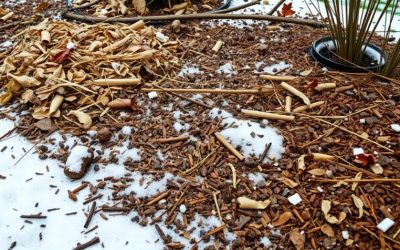
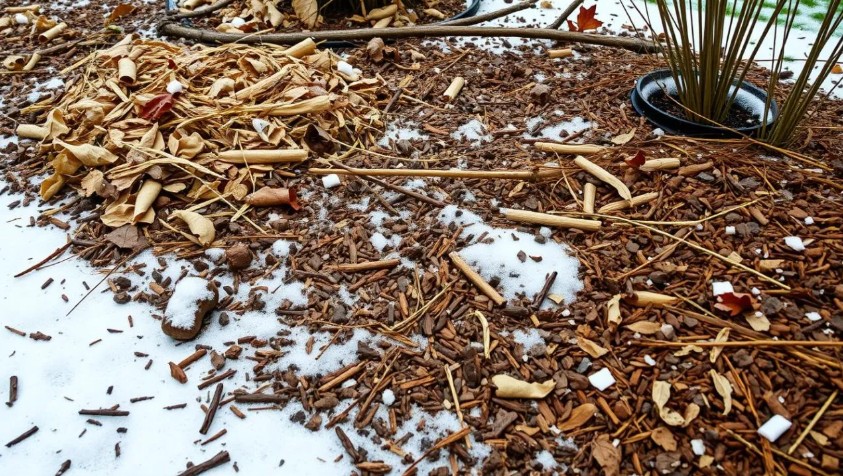
There are many types of mulch, like wood chips and straw. Each kind has its own special benefits. For example, wood chips are good for stopping weeds and keeping moisture in. Straw is great for vegetable gardens because it goes back to the soil quickly.
Conclusion
Mulch is key for healthy gardens, helping in many ways. It keeps weeds in check. It saves water and stops soil from washing away. Also, it keeps the ground at the right temperature for plants to grow well.
It’s important to pick the best mulch for your garden. Think about how fast it breaks down, its feel, and what nutrients it has. The right mulch choice boosts your garden’s health and growth.
Mulch is a must-have for gardeners. It makes soil better and plants happier. Mulch fits well with any garden style and climate, making it a top choice for lush, flourishing gardens.
For all gardeners, new or experienced, mulching is crucial. It’s a powerful tool for healthy, colorful plants all year. Don’t overlook the value of mulch in your garden.