Did you know that some cities and counties have made it illegal to throw away leaves, twigs, and grass in the trash? That’s right— depending on where you live, you may be breaking the law by bagging up those grass clippings and leaving them for the garbage truck. This kind of ordinance may seem harsh, but there are good reasons behind it.
The Problem with Yard Waste in Landfills
In some areas, organic wastes makes up the second largest volume of material in landfills. According to the U.S. Composting Council, piling yard debris into landfills is inefficient, wastes resources, and increases the emissions of greenhouse gases.
Mounds of organic waste, deprived of enough oxygen, go through the process of anaerobic composition in mass quantities, generating large amounts of methane gas. Methane is “20 times more potent a greenhouse gas than carbon dioxide,” according to Environment Victoria. It’s also a useful gas that can be harnessed as an energy source. Correct disposal of methane-producing organic waste at an Alternative Waste Treatment Facility is one way to conserve energy and resources.
At-Home Recycling Methods for Yard Waste
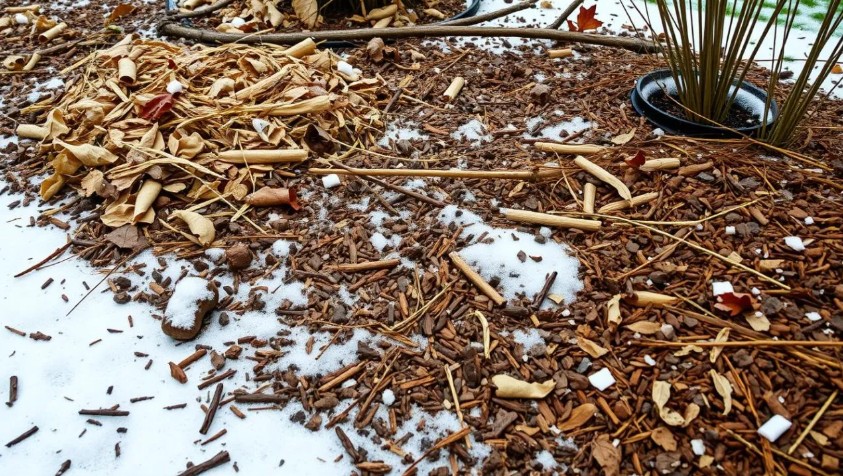
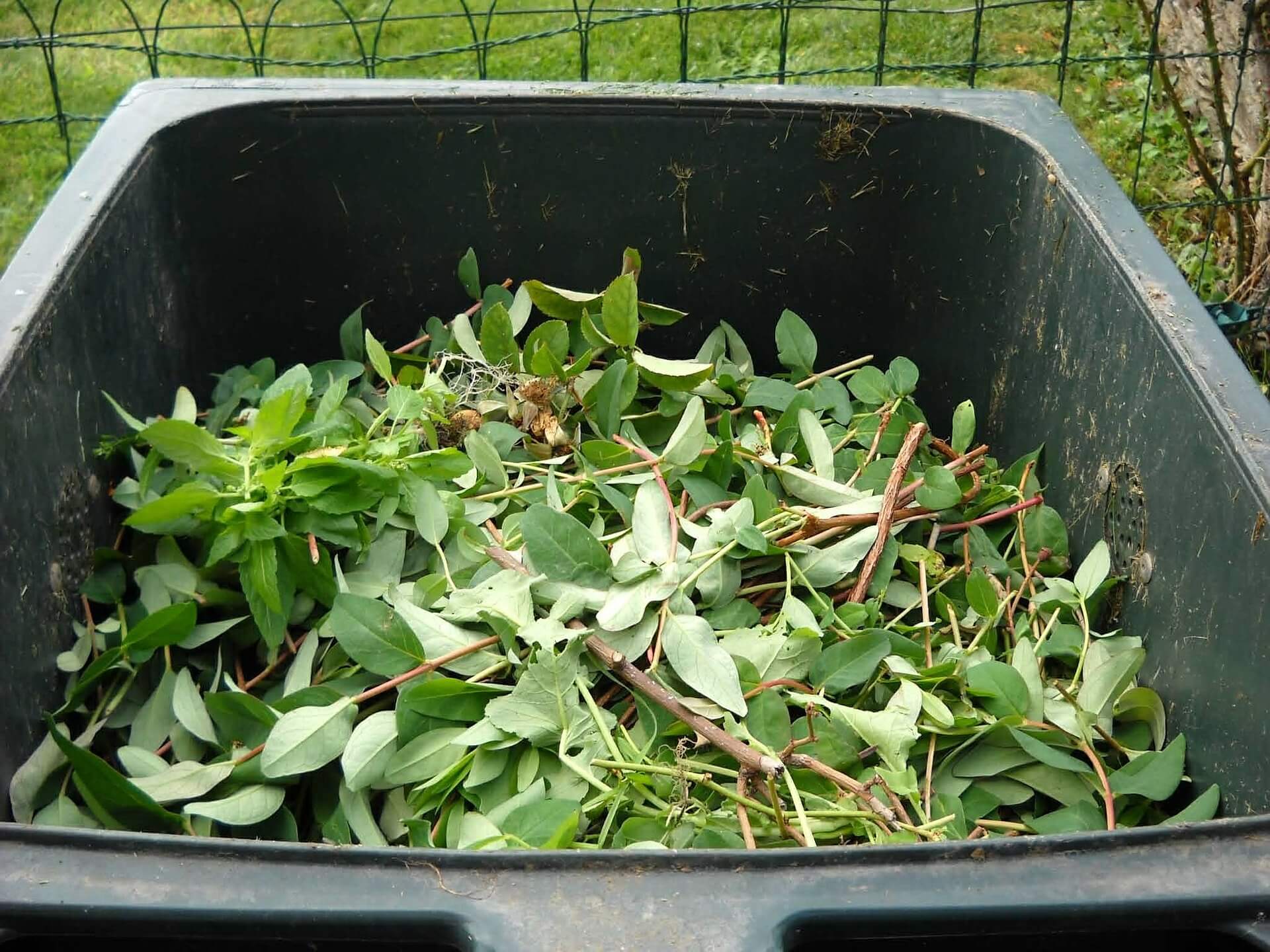
Even if you don’t have one of the high-tech waste treatment facilities in your area, you can take steps to reduce your carbon footprint and benefit the earth by reusing your yard waste. Save those fallen branches and twigs and use them to fuel your fire pit or fireplace, or shred them for use as mulch. Grass clippings can also serve as a good natural mulch, or you can add them to a compost bin and create soil-enriching compost for your flowerbeds.
Curbside Pickup for Yard Waste
Many cities also provide a yard waste pickup program. The waste is collected in special paper bags and routed to the community’s green waste recycling facility. Before you begin disposing of your yard waste, however, check the regulations and policies for your area. You may only be able to include certain kinds of plants and grass for pickup, and dirt, rocks, or stones will probably not be accepted. Some harmful plants, like sumac, Armenian blackberry, or poison ivy, do need to go in a plastic bag in the trash to prevent their spread.
More Help with Yard Waste
One of the best things about recycling yard waste is that you don’t have to do it alone! In addition to supplying mulch, topsoil, stone, and other items for your landscape, Kurtz Bros., specializes in recycling yard waste. Just give us a call or contact us through our website, and we’ll hook you up with a specialist who can manage the yard waste recycling process for you. Waste gets reused, and you get a beautiful, cleaned-up outdoor space. It’s a win-win!