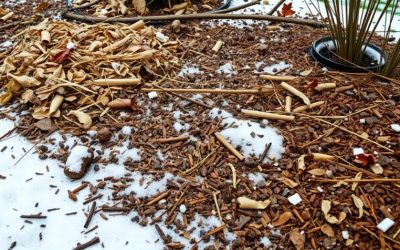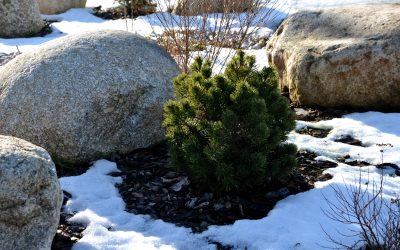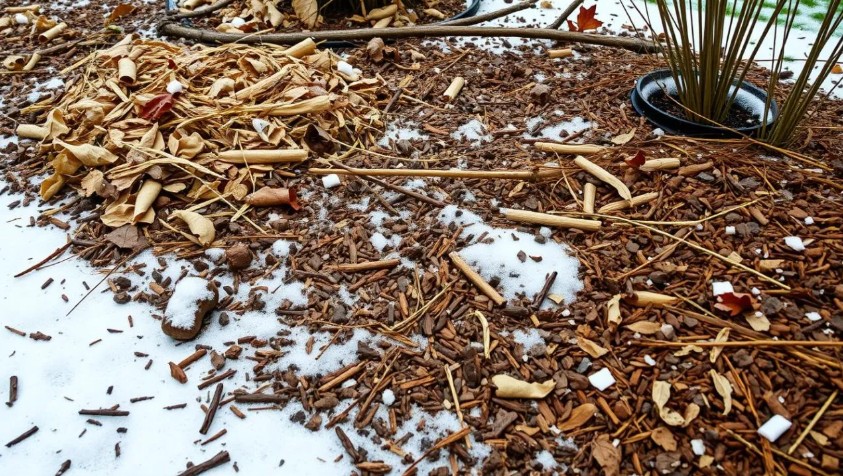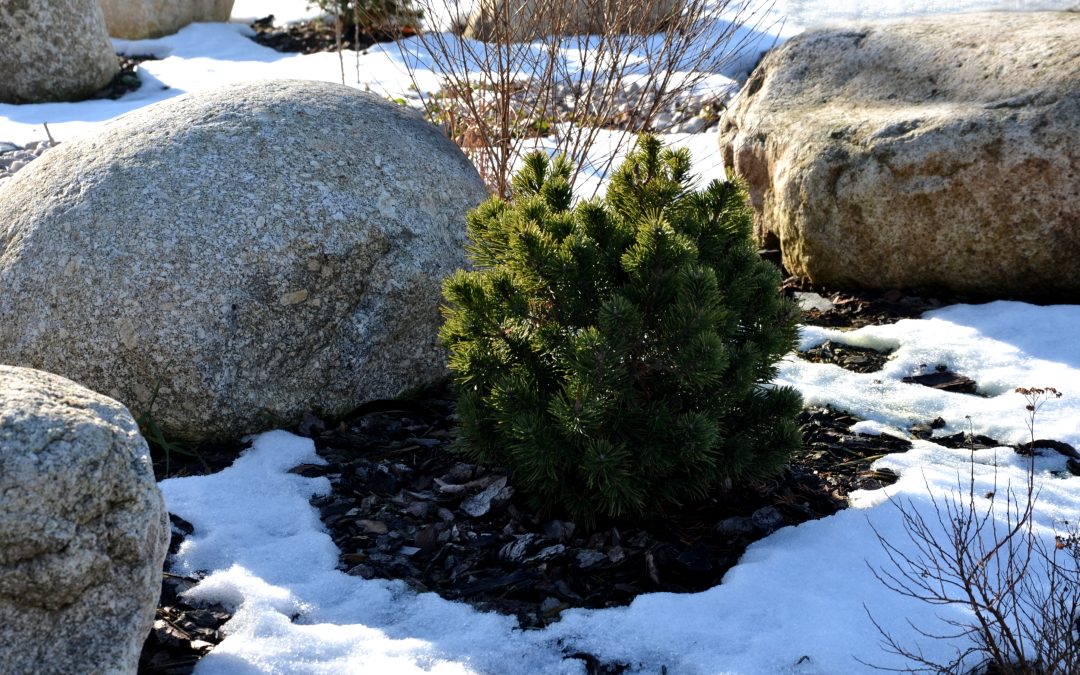

Are you looking to refresh your garden or playground this fall? Wood mulch could be the perfect choice. At Kurtz Bros. Landscape Supply, we’ve seen how it can change outdoor spaces. But, with so many types, picking the right one can be tough.
Wood mulch offers many benefits, like protecting soil and improving landscaping. It’s organic, making your space look good and helping your soil and plants. Let’s dive into the world of mulching and find the best option for your fall project.
Whether you garden or design playgrounds, knowing about wood mulch types is key. Hardwood bark, pine, and cedar each have their own benefits. Plus, the right mulch can keep up to 70% more water in your soil. This is great for keeping your garden moist, even in dry areas.
As we explore wood mulch, we’ll see how it can change your outdoor spaces this fall. We’ll look at options that make your garden look better and protect the soil. Stay with us as we discover the mulching benefits that can change how you garden and keep playgrounds safe.
Key Takeaways
- Wood mulch offers various benefits for gardens and playgrounds
- Different types of wood mulch suit various needs and preferences
- Proper mulching enhances soil protection and moisture retention
- Fall is an ideal time for applying mulch in many regions
- Choosing the right mulch can significantly improve garden landscaping
Understanding Different Types of Wood Mulch for Gardens
Wood mulch is key for garden care. We’ll look at natural mulches to find the best for your garden. They help control weeds and keep moisture in.
Hardwood Bark Mulch: Benefits and Applications
Hardwood bark mulch is a favorite among gardeners. It’s affordable and easy to find. It holds moisture well, great for dry areas.
Shredded hardwood mulch covers more area with less material. This saves you money over time.
Pine Bark Mulch: Natural Alternative
Pine bark mulch is a budget-friendly choice. It’s light and simple to spread. It’s good for plants that like acidic soil.
Pine bark breaks down slowly. This gives your garden long-lasting benefits.
Cedar Mulch: Premium Choice for Gardens
Cedar mulch is known for its scent and ability to repel insects. It’s great for areas with termites. Though more expensive, it looks and lasts longer.
When picking mulch, think about your soil and plants. Aim for 3 to 4 inches of mulch for best results. Each mulch has its own benefits and drawbacks. Choose based on your garden’s needs and your budget.
Playground-Safe Mulch Options for Fall Installation
Fall is a great time to improve playground surfaces. We’ve found the safest mulch options for kids. Organic mulch isn’t good for playgrounds, but there are better choices that protect the soil and keep kids safe.
Certified Playground Mulch Requirements
Playground mulch must be very safe. The Consumer Product Safety Commission says 9 inches of mulch is needed for falls under 7 feet. This depth is important because about 45% of playground injuries are serious, the CDC says.
Installation and Maintenance Guidelines
Installing mulch correctly is very important for safety. Using a blower truck can spread hundreds of yards of mulch fast, ensuring it’s evenly spread. Keeping the mulch up to date is also key to keeping it safe.
- Check mulch depth regularly
- Top up as needed to maintain safety standards
- Inspect for foreign objects or signs of wear
Choosing the right mulch and following these tips can make playgrounds safer for kids. It also helps us be more eco-friendly.
Seasonal Mulching Benefits and Best Practices
Fall is the best time for garden landscaping, and mulching is key. It protects soil, controls weeds, and keeps moisture in. We’ll look at the best ways to mulch seasonally.
Fall Application Timing
Mulching in fall protects plants during winter. Wait until the ground freezes for the best results. This stops plants from being damaged by frost.
Proper Mulch Depth and Coverage
The right mulch depth depends on the material. For wood chips or bark, use 2-4 inches. This stops weeds and lets air and water through. Keep it away from plant stems to avoid rot.
Moisture Retention and Weed Control
Mulch keeps soil moist and stops water from evaporating. This is great in hot, dry areas. A 2-3 inch layer around trees and perennials is best. It also stops weeds, making spring garden care easier.
Soil Temperature Regulation
Fall mulching keeps soil warm in cold months. It protects roots from extreme temperatures. As mulch breaks down, it adds nutrients to the soil, making it better over time.